 Bullpen Bright Spots, But No Clear Closer
Despite finishing in the bottom half of the league in bullpen performance, the White Sox did find a few reasons for optimism in 2025. Young arms like Grant Taylor, Mike Vasil, and Jordan Leasure showed flashes of real potential.
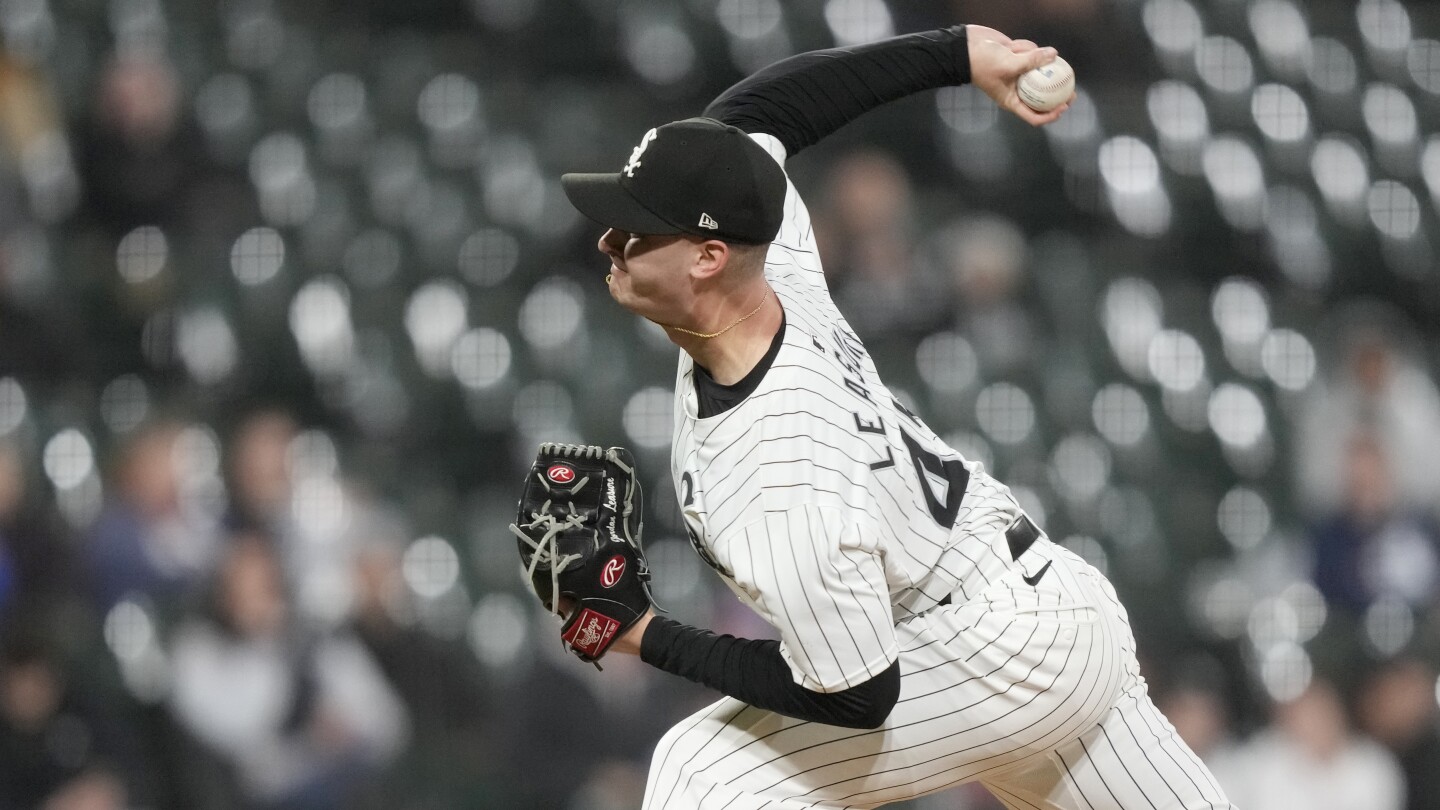
Leasure, in particular, emerged as a late-season bright spot, leading the team with seven saves and finishing strong after an up-and-down first half. But the bullpen lacked a true anchor-a go-to closer who could consistently shut the door in high-leverage situations.
That need is underscored by a telling stat: the White Sox finished dead last in Major League Baseball with just 25 saves, and those were scattered across eight different pitchers. That kind of instability in the ninth inning makes it tough to win close games, and it’s something the front office will need to address if the club hopes to take a step forward in 2026.
 Reliever Market Moving Fast-and Getting Expensive
The challenge? The bullpen market is moving at warp speed, and the price tags are rising just as quickly.
Raisel Iglesias, Ryan Helsley, Devin Williams, and Emilio Pagan have already inked new deals, each landing in the $10-15 million per year range. That’s the going rate for a proven late-inning arm right now-and it’s not clear whether the White Sox are willing to spend at that level.
The biggest name still on the board is Edwin Díaz, the former Mets closer who’s expected to command a deal approaching $100 million. That’s well outside Chicago’s comfort zone, and realistically, they won’t be players in that sweepstakes.
Veteran Kenley Jansen is still available and could be a more affordable option. He’s closing in on 38 years old, but he’s remained effective and brings a wealth of postseason experience. Still, with age comes risk, and the White Sox would have to weigh short-term upside against long-term durability.
Another intriguing name is Pete Fairbanks, formerly of the Rays. He’s expected to land a contract in the same financial ballpark as Helsley and Williams, which again might be a stretch for the Sox.
Other names with closing experience-Kyle Finnegan, Luke Weaver, David Robertson, and Gregory Soto-bring varying degrees of upside and question marks. They could represent more realistic targets if the White Sox are looking to balance cost and performance.
Internal Options: Leasure Leads the Pack
If the external market proves too rich, the White Sox may look inward for their 2026 closer. Jordan Leasure would be the logical frontrunner.
He’s voiced his desire to take on the role, and he certainly made a strong case down the stretch-13 of his final 14 appearances were scoreless. That kind of finish doesn’t go unnoticed, and it could earn him a long look in spring training.
Grant Taylor has the stuff to pitch late in games, but the team appears to prefer him in a multi-inning role. Mike Vasil, who logged 100 innings this past season, may be more suited to a swingman role that bridges the rotation and bullpen.
So while Leasure might not be a household name-yet-he’s positioned to be a key figure in the White Sox bullpen next season, whether as the closer or a high-leverage setup man.
What Comes Next?
The path forward is clear: if the White Sox want to land a proven closer, they’ll need to act quickly. The market is thinning by the day, and the remaining big names won’t last much longer. On the flip side, if they opt for a more budget-conscious route or decide to roll with internal options, they’ll need to be confident in the development of their young arms.
Either way, the bullpen will be a focal point of the offseason. For a team looking to build on its young core and take a step toward contention, getting the ninth inning right isn’t just a luxury-it’s a necessity.