The St. Louis Cardinals are seeking a free-agent left-handed relief pitcher with major league experience who can be trusted to not only secure important outs in their bullpen but also handle some of the veteran responsibilities that come with shepherding young teammates through the early phases of their careers.
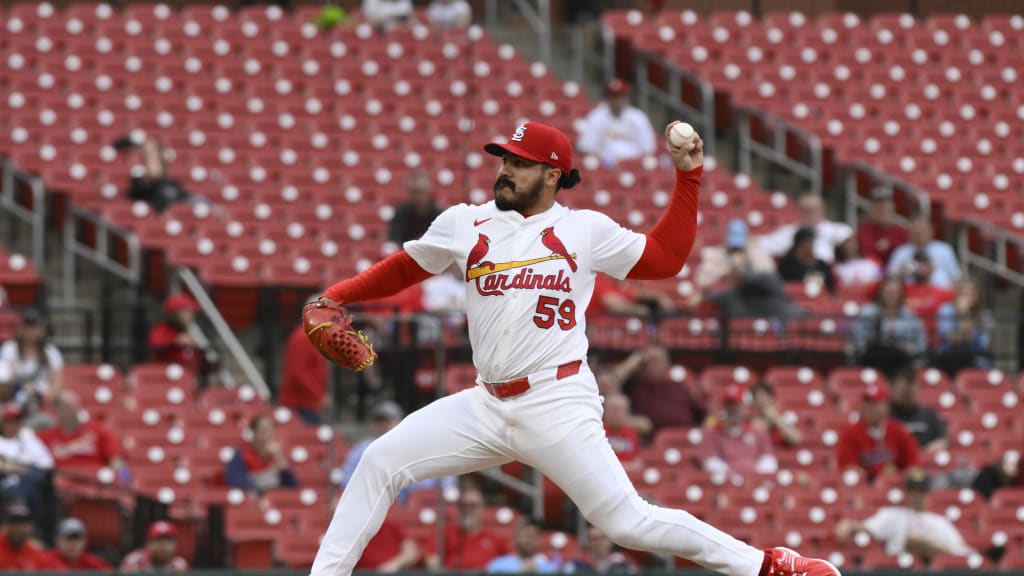
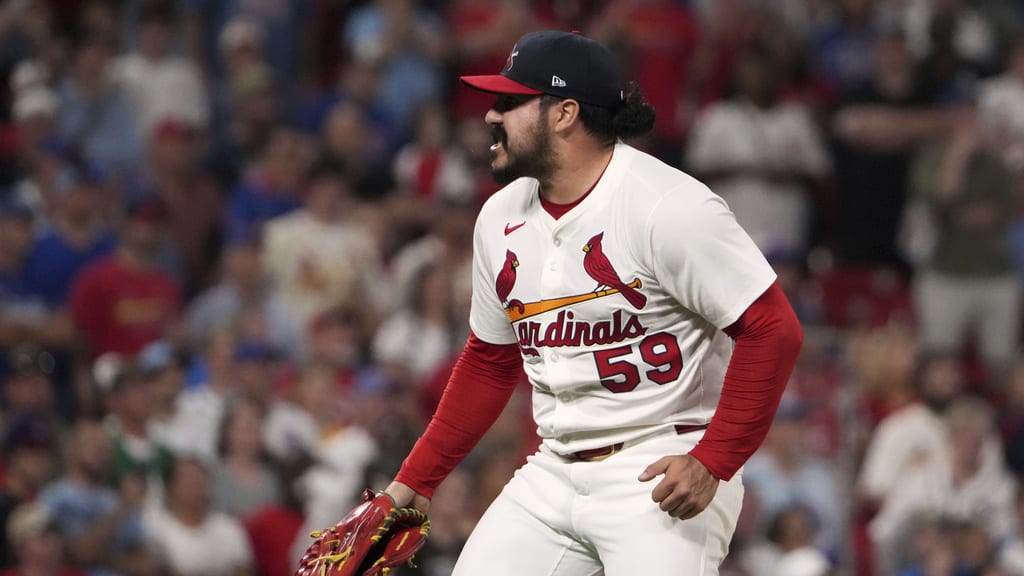
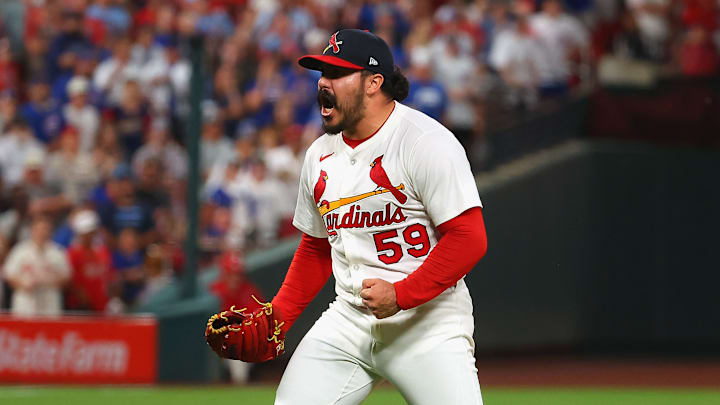
JoJo Romero is left-handed, has pitched six years in the majors, has been one of the most productive bullpen lefties in the game over the last three seasons, and has been lauded by teammates and coaches for his ability to build camaraderie in the bullpen.
It would seem the Cardinals have their guy in-house — and yet, they are seeking to trade him. This bit of dissonance has not caused much consternation.
President of baseball operations Chaim Bloom was asked about the situation.
“Are we speaking generically,” he responded with a smile, “or talking about the guy that we have?”
By trading Romero now and capitalizing on a market that is hungry for left-handed relievers, the Cardinals give themselves two opportunities. If they receive assets for Romero in the short term, those can become long-term pieces in the organization. Any free agent signed is also likely to be on a one-year deal — or at most, one year with an option for a second — and could become another trade asset in August.
If it seems odd to weigh trade deadline value before the calendar even flips to a new year, it’s because that’s a reality the Cardinals have not fully embraced in more than a generation. The seeds of success at the end of July are sown in the winter. To reap the rewards later, they must first plant.
“We’re not going to discriminate in terms of handedness when it comes to both talent and then the ability to lead guys, especially when it comes to younger pitchers,” Bloom said. “Sometimes those guys are getting their feet wet in the ‘pen. That can be really helpful. But you want someone that can help show them the ropes.”
In each of the last two years, veteran right-handers Andrew Kittredge (by trade) and Phil Maton (as a free agent) joined the Cardinals in the winter and spent one season — less, in Maton’s case, after his own deadline trade — putting up strong numbers and setting strong examples. They then spun those seasons into further success in free agency.
Kittredge signed a one-year deal with a team option with Baltimore ahead of the 2025 season, then performed well enough to be traded to the Chicago Cubs and later shipped back to the Orioles before his option was exercised; he’ll make $18 million on his deal. Maton, traded to the Texas Rangers at the most recent deadline, signed a two-year contract with a team option for a third year with the Cubs this winter, guaranteeing $14.5 million with the possibility of earning as much as $20 million.

Those are the largest paydays of each of their careers, and they serve as proof of concept for other veterans seeking a soft landing spot to reestablish themselves before reentering the market next winter. Romero will also be in that free-agent market, and his singular remaining year of team control is not one in which the Cardinals anticipate being true contenders — which feeds the desire to move on from him, even though he embodies all the characteristics they seek.
“You look at the progression of JoJo’s career,” Bloom said. “He at one point was that guy trying to find his footing and figure it out. You could see year over year as he does that, not only is there more trust and reliability there from the standpoint of the staff using him, but also something other players can feed off of.”
Bloom, speaking into a bank of microphones, is well aware he is making a sales pitch. Among full-time lefty relievers who have thrown at least 100 innings over the last three seasons, Romero ranks fourth in the majors in ERA+, which measures pitchers against league average. The three southpaws ahead of him — Josh Hader, Tanner Scott and Aroldis Chapman — have all been big-money free agents considered among the elite of the game’s bullpen arms.
Other lefties have come off the board in recent days. Caleb Ferguson, Foster Griffin, Drew Pomeranz and Caleb Thielbar all agreed to one-year deals this week. Teams are sorting through their options and beginning to settle for the relievers they’re most comfortable with. The Cardinals are walking a fine line with Romero between holding too long and not waiting long enough to find interested clubs.
That is part of the art of dealmaking.
There is both art and science to it, even when it looks disjointed. Yes, the Cardinals want a Romero type. Yes, they want to trade Romero himself. Squint hard enough, and it starts to make sense.