Brandon Woodruff is staying put in Milwaukee – at least for one more year.
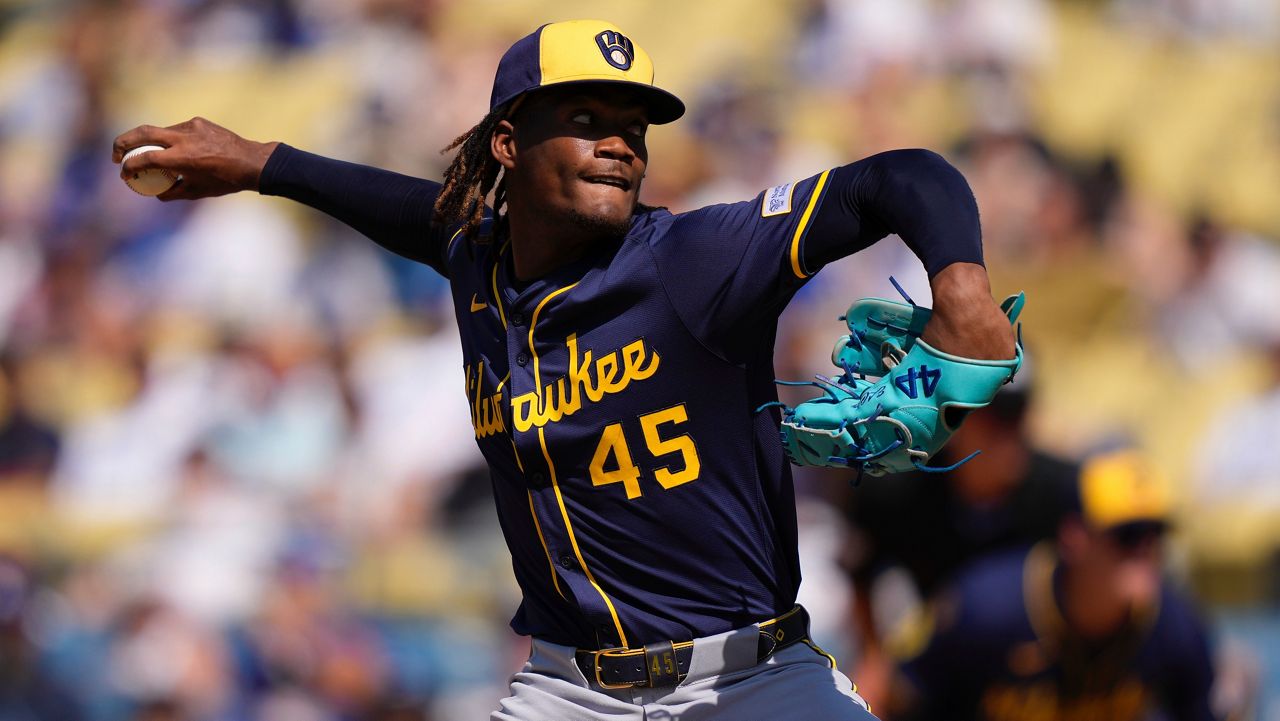
The Brewers right-hander has accepted a one-year qualifying offer worth just over $22 million, locking him into the 2026 season with the club that drafted and developed him. It’s a significant move for both Woodruff and the Brewers, especially considering the uncertainty surrounding his health and the intrigue he generated on the open market.
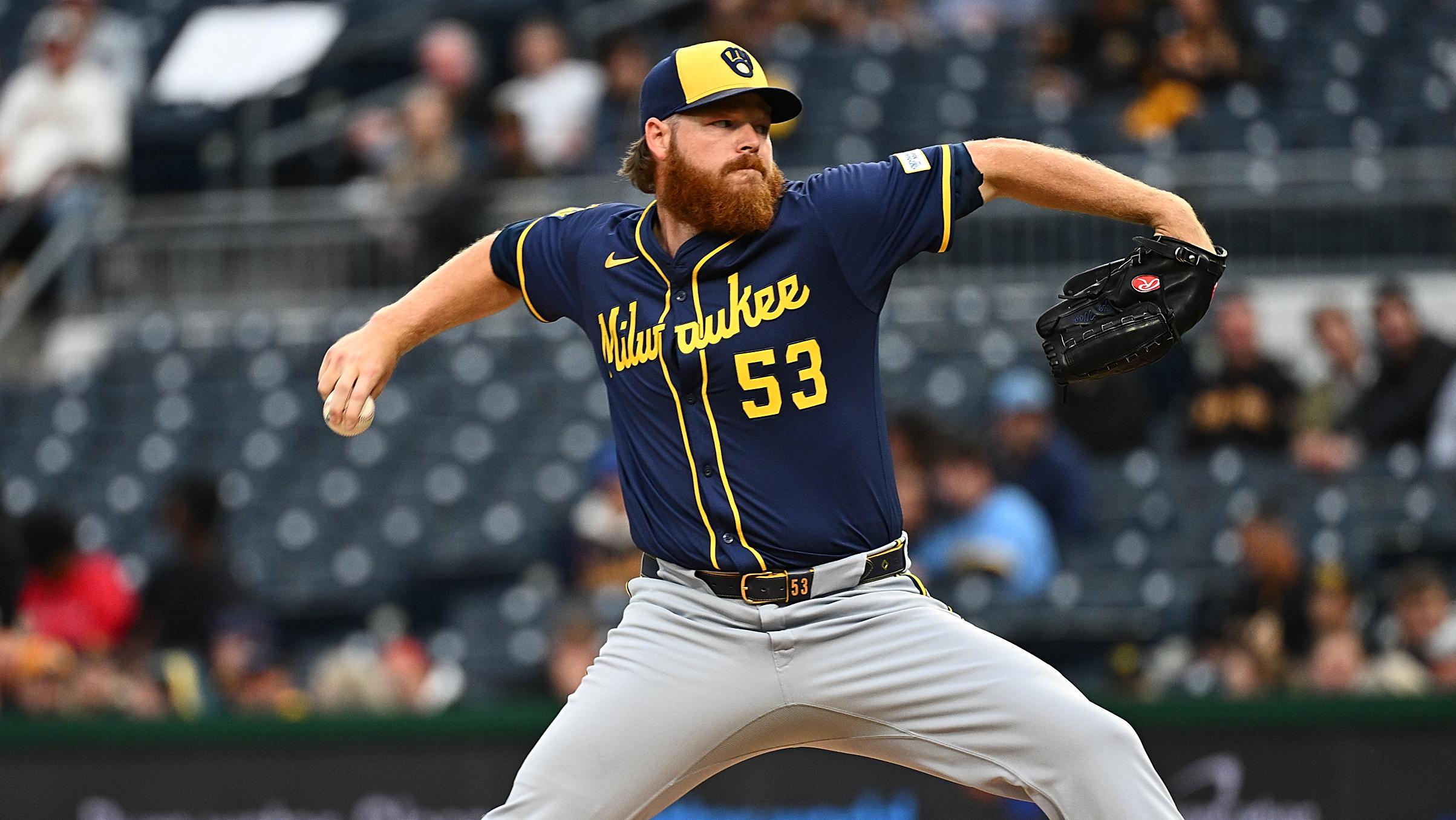
When he’s right, Woodruff is one of the most dependable arms in the game. Over the last decade, he’s quietly built a reputation as a frontline starter with a career 3.10 ERA across 745 innings – a mark that places him among the elite when it comes to consistency and effectiveness. Even this past season, despite limited action, he posted a 3.20 ERA, showing that the stuff is still very much there.
But that’s the catch: staying healthy has been a challenge.
Since the start of the 2023 season, Woodruff has made just 23 starts. That kind of track record tends to scare off long-term suitors, especially when you’re talking about pitchers – and especially pitchers approaching or over 30. Durability is currency in free agency, and Woodruff’s recent injury history made him a likely candidate for a shorter-term deal this winter.
For teams like the Braves, who have made a habit of targeting high-upside arms on short-term contracts, Woodruff would’ve fit the mold. Atlanta’s front office, led by Alex Anthopoulos, has rarely committed to multi-year deals for free agent pitchers, particularly those with injury concerns. A one- or two-year pact with a pitcher of Woodruff’s caliber – even with the health questions – would’ve made plenty of sense for a team looking to bolster its rotation without a long-term commitment.
But once Woodruff accepted the qualifying offer, the calculus changed.
The qualifying offer system, as it stands, makes it tough for teams to justify signing certain free agents. Not only would a team have to pay the player, but they’d also lose valuable draft capital in the process.
For a pitcher with Woodruff’s recent availability issues, that’s a steep price to pay – especially when he’s already off the market on a one-year deal. It’s a system that often punishes players coming off injury or down years, regardless of their upside, and in this case, it likely nudged Woodruff back toward Milwaukee.
He’ll now have a chance to prove he’s healthy and effective over a full season, setting himself up for another shot at free agency next winter – this time without the drag of draft-pick compensation attached.
Woodruff wasn’t the only pitcher to accept a qualifying offer this week.
Shota Imanaga, the left-hander who made his MLB debut with the Cubs, also opted to stay with his current club. After Chicago declined to guarantee a fifth year on his deal, Imanaga turned down a $15 million player option for 2026 but ultimately accepted the qualifying offer to remain with the Cubs for another season.
It’s another example of how the qualifying offer can shape – and sometimes limit – the free agent landscape. For teams, it’s a strategic tool. For players like Woodruff and Imanaga, it’s a temporary landing spot with the hope of a bigger payday down the line.
In the meantime, both Milwaukee and Chicago retain key pieces of their rotation for 2026 – and both pitchers get another year to showcase what they can do when healthy and on the mound.