The numbers told a quiet story long before anyone chose to listen. On a spreadsheet buried somewhere in a front office, the Texas Rangers had crossed a line—just barely. The luxury tax threshold, once a distant warning sign, now sat behind them like a speed bump hit at low speed. No dramatic crash. No sirens. Just a soft thud that reminded everyone involved that success, especially recent success, comes with a bill.
This wasn’t recklessness. It wasn’t arrogance. It was the result of a balancing act that had been in motion for years.
After tasting the highest level of triumph not long ago, the Rangers found themselves standing at an uncomfortable crossroads. They were no longer the scrappy underdog assembling hope piece by piece. They were champions with expectations, veterans on expensive contracts, and young players who needed to be paid sooner rather than later. The payroll wasn’t bloated—it was weighted, carefully but undeniably heavy.
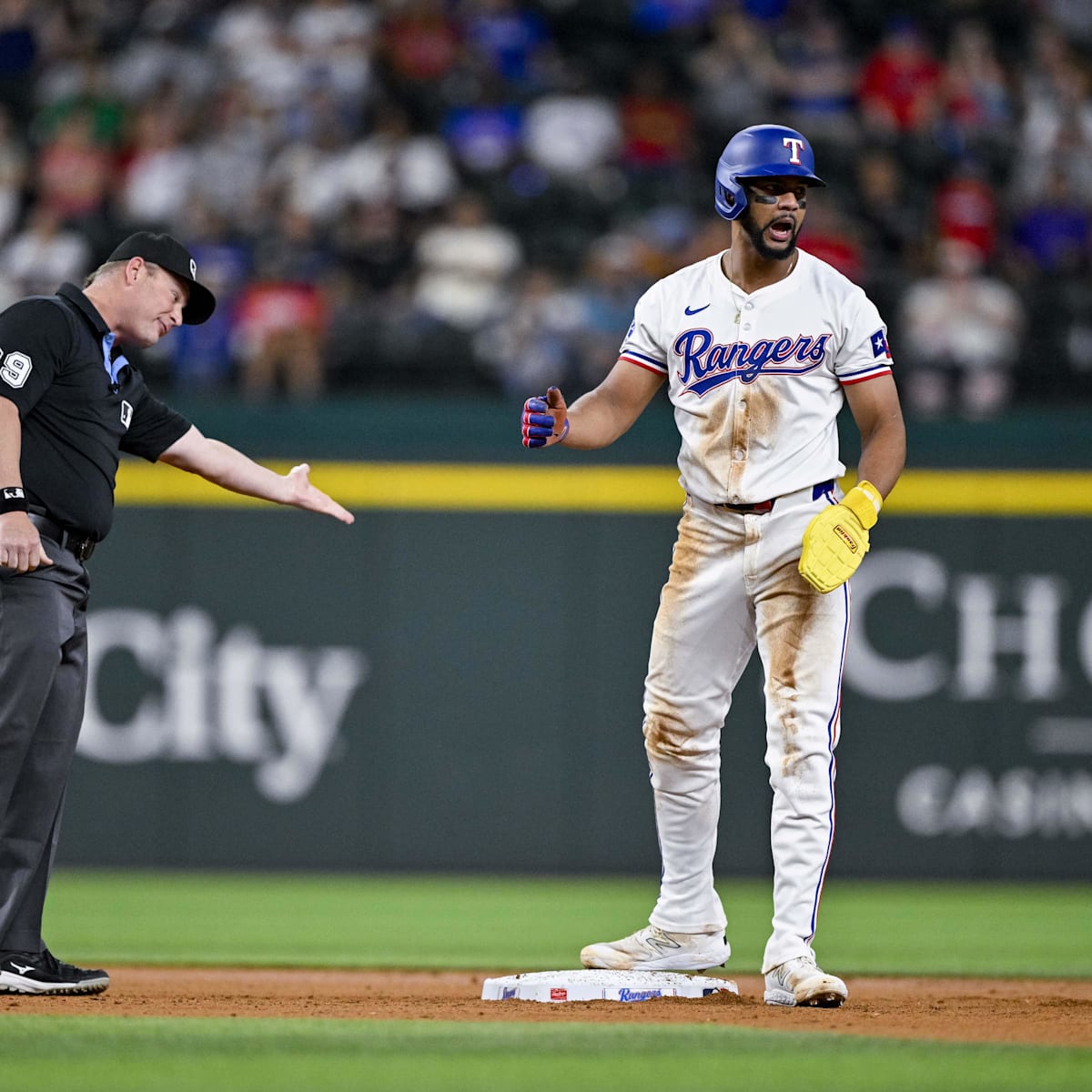
Crossing the luxury tax line by a slim margin felt almost symbolic. It wasn’t a declaration of spending power or a flex aimed at rivals. It was more like a deep breath taken before stepping onto thin ice. The front office knew exactly where the line was, and they stepped over it with intention, not impulse.
There’s something human about that decision.
Because payrolls aren’t just numbers. They are promises. Each contract represents belief—belief in health, in consistency, in the idea that yesterday’s performance can still exist tomorrow. For the Rangers, the challenge has never been about spending. It has always been about spending wisely while keeping the window open just a little longer.
The luxury tax, in this context, isn’t a punishment. It’s a reminder. A reminder that the margin for error is shrinking. That every roster move now has echoes—financial and competitive. A bench player costs more than his stat line suggests. A bullpen arm isn’t just insurance; it’s an investment with interest.
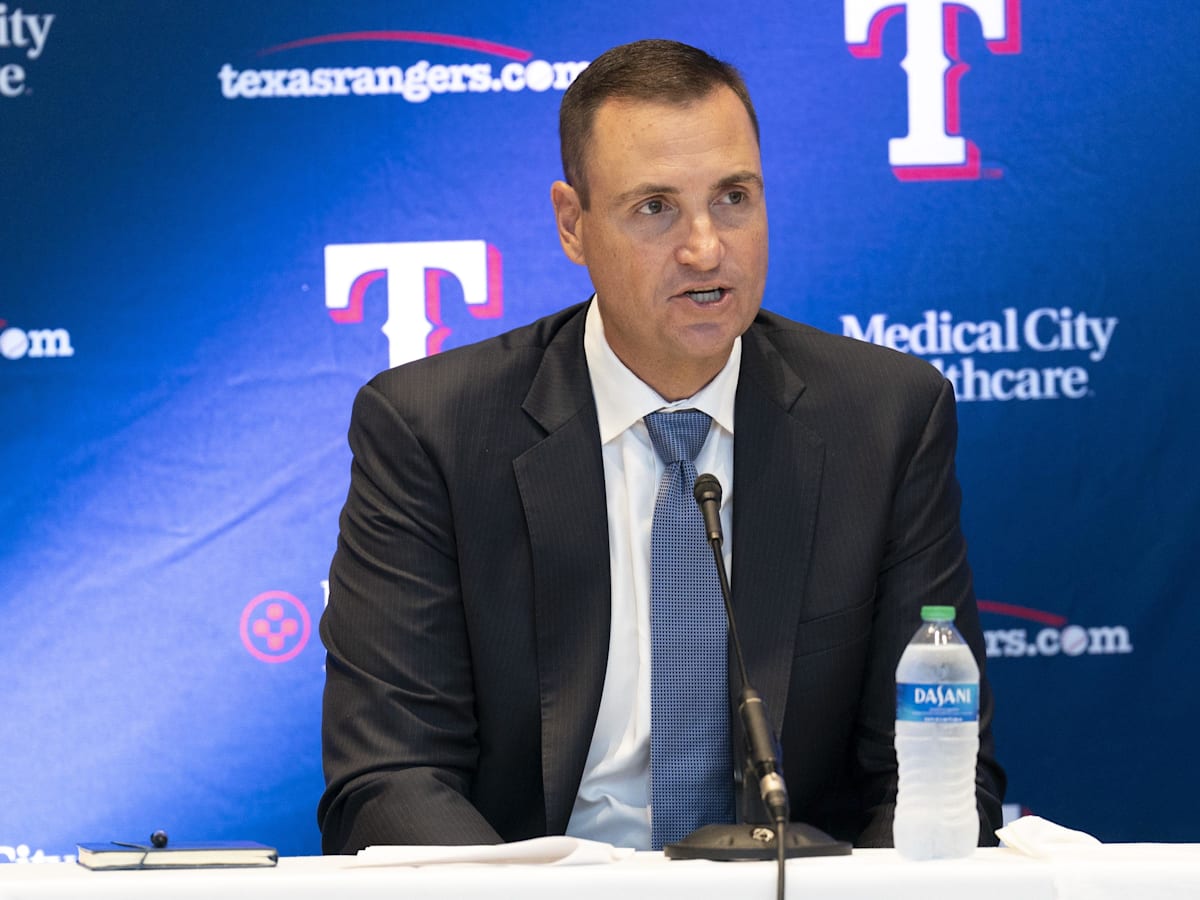
And yet, the Rangers didn’t slam the door shut on flexibility. By staying just over the line, they preserved something valuable: options. They didn’t mortgage the future for a single moment. They didn’t chase headlines. Instead, they chose restraint wrapped in confidence, trusting that the roster they built still has something left to say.
There’s tension in that choice. Fans feel it. Analysts debate it. But tension isn’t always bad. Sometimes it’s what keeps a team sharp, aware, and honest about where it stands.

This payroll situation reflects a franchise growing into itself. No longer rebuilding. Not quite cruising. Still adjusting its weight to stay balanced on the wire between ambition and sustainability. It’s a place many teams dream of reaching, even if they rarely admit how uncomfortable it can be once they arrive.
The Rangers’ story right now isn’t about excess. It’s about control. About knowing when to push and when to pause. About accepting that success changes the rules of the game off the field as much as on it.
Barely crossing the luxury tax line won’t define the season. Wins and losses will do that. Health will do that. Timing will do that. But this moment—quiet, deliberate, almost unremarkable on paper—reveals a franchise trying to stay honest with itself.
And sometimes, that’s the hardest balance of all.