Best-Case Nolan Arenado Trade Scenario for the Cardinals
Letting go of a player like Nolan Arenado is never supposed to feel comfortable. If it does, something has already gone wrong. For the St. Louis Cardinals, the very idea of trading Arenado still feels like a sharp inhale — sudden, unsettling, and loaded with emotion. He isn’t just a third baseman. He’s a standard. A presence. A reminder of what winning is supposed to look like, even when the team around him struggles to keep up.
But baseball doesn’t pause for sentiment, and sometimes the best path forward begins with an uncomfortable truth: holding on can be just as risky as letting go.
In a best-case trade scenario, the Cardinals don’t move Arenado out of desperation. They move him with clarity. With leverage. With purpose. This isn’t about dumping a contract or waving a white flag. It’s about transforming one elite asset into multiple solutions — the kind that reshape a franchise instead of merely patching holes.
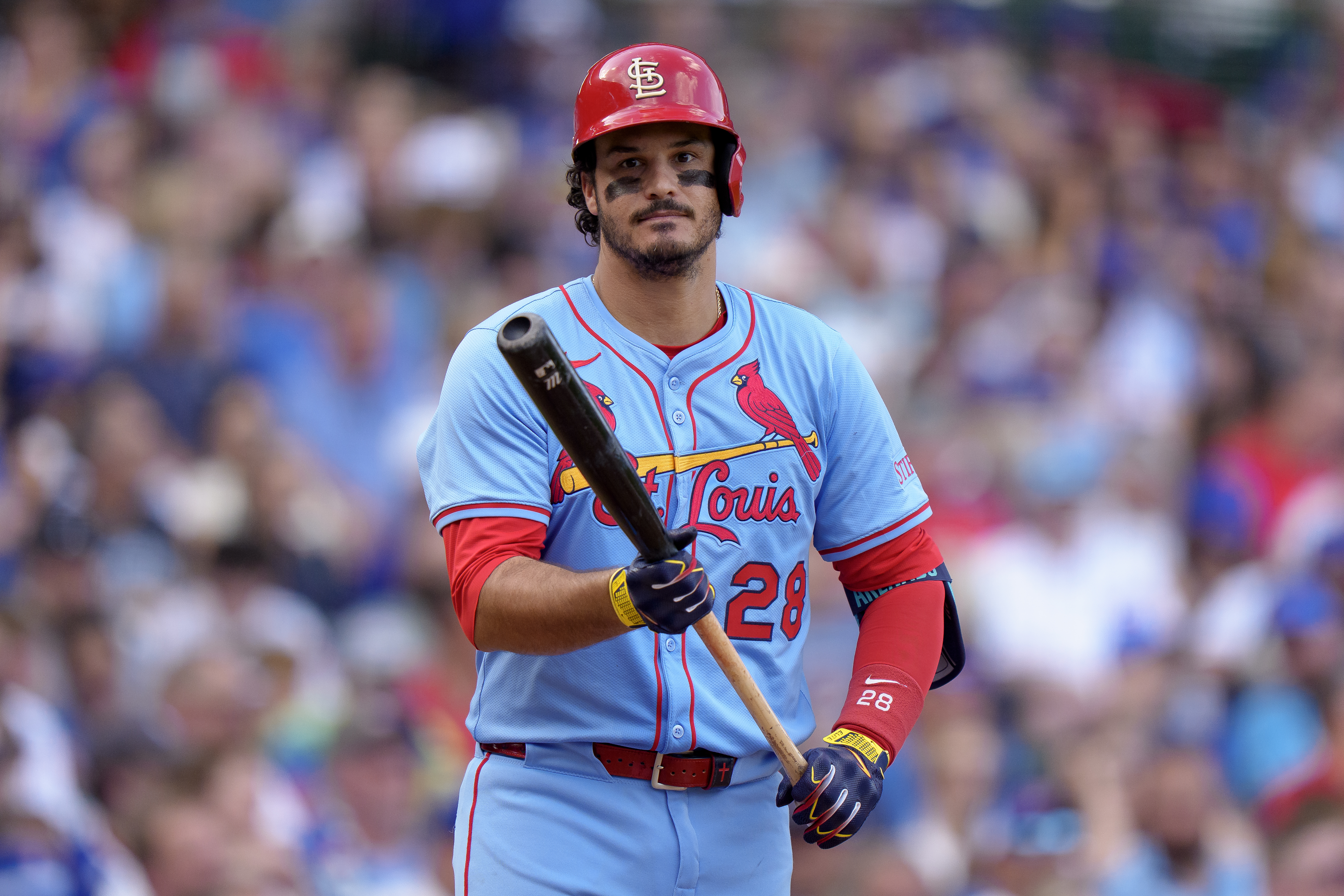
The ideal scenario starts with timing. Arenado is still elite defensively, still respected league-wide, still capable of changing games with his bat and his intensity. That matters. It means the Cardinals aren’t selling low. They’re offering something rare: a proven star who can elevate a contender immediately. And contenders pay real prices.
In the best case, St. Louis targets a team on the edge — a club that believes it’s one piece away from October relevance. That’s where urgency lives, and urgency fuels value. The return wouldn’t be centered on one flashy name, but on balance: a controllable frontline pitching prospect, a near-ready starter who can step into the rotation, and a position player with upside who fits the Cardinals’ next competitive window.
Pitching, above all, is the key. The Cardinals’ biggest weakness has been exposed for too long, and no amount of lineup shuffling can hide it anymore. A best-case Arenado trade brings back arms — not lottery tickets, but pitchers with real projection, real command, real timelines. The kind of pitchers who don’t just fill innings, but stabilize seasons.
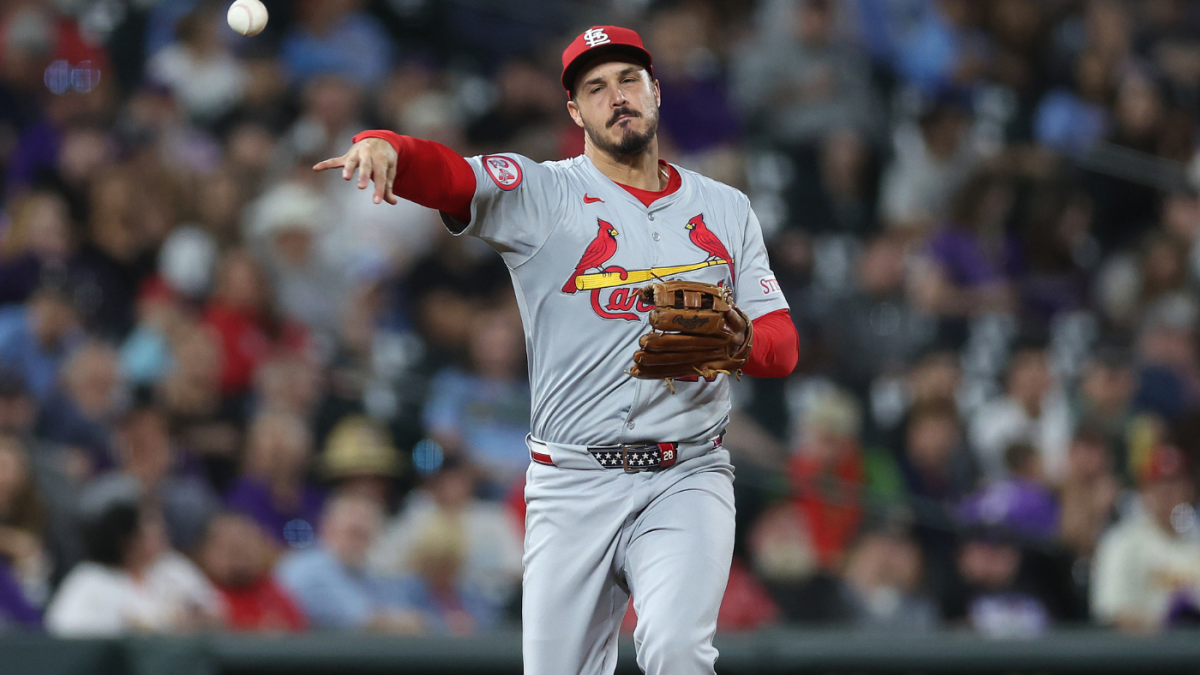
But it’s not just about talent. It’s about identity.
In the best-case scenario, the Cardinals also gain flexibility — payroll breathing room, roster clarity, a chance to let younger players step into roles without constantly looking over their shoulders. Moving Arenado creates space, not emptiness. It signals trust in the next wave. It allows the front office to stop straddling two timelines and finally choose one.
That doesn’t mean the Cardinals stop trying to win. It means they redefine how they win.
The emotional side of the trade would still hurt. Arenado’s fire, his professionalism, his refusal to accept mediocrity — those things don’t show up in trade packages. Fans would mourn that loss. The clubhouse would feel quieter at first. But in a best-case outcome, what replaces him isn’t confusion. It’s direction.
Young players grow faster when expectations are clear. Pitchers thrive when the organization commits to supporting them properly. And fans, even the most loyal and traditional, respond to honesty. They don’t need promises. They need belief backed by action.
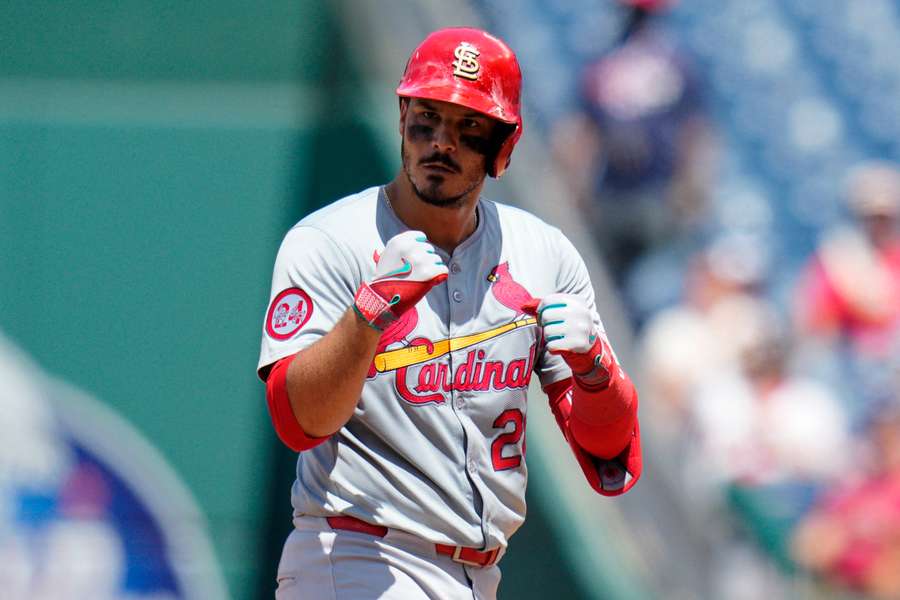 The final piece of the best-case scenario is communication. The Cardinals don’t hide behind vague statements or corporate language. They explain the move. They own it. They frame it as a step forward, not an apology. They honor Arenado’s impact while acknowledging that the future requires change.
And maybe — just maybe — that’s the most important part. Because the best Arenado trade isn’t about winning the deal on paper. It’s about restoring the Cardinals’ sense of purpose. About choosing motion over stagnation. About proving that this franchise still knows how to make hard decisions in pursuit of something better.
If the Cardinals ever do trade Nolan Arenado, the best-case scenario won’t be painless. It will be bold. It will be thoughtful. And it will leave St. Louis not wondering what they lost — but believing in what they’ve built next.