The Orioles didn’t wait for the Winter Meetings to make headlines. Late Tuesday, they pulled the trigger on a notable one-for-one swap, sending right-hander Grayson Rodriguez to the Los Angeles Angels in exchange for veteran outfielder Taylor Ward.
This move signals a clear shift in Baltimore’s priorities – from stockpiling young arms to adding proven offensive depth. And while the trade may raise some eyebrows, especially among fans who’ve followed Rodriguez’s journey since he was drafted in 2018, there’s a lot to unpack on both sides.
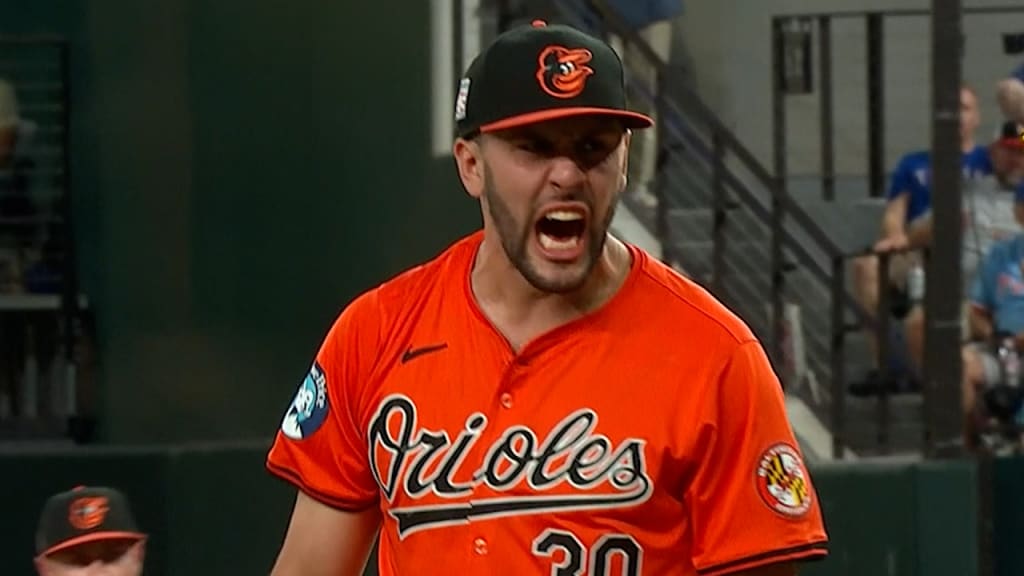
The End of a Chapter for Grayson Rodriguez
Rodriguez came into the league with sky-high expectations. At his best, he showed flashes of frontline potential – a big fastball, sharp secondary stuff, and the kind of poise you want from a young starter.
Over two seasons with the Orioles, he made 43 starts and posted a 4.11 ERA with 259 strikeouts. Solid numbers, especially for a pitcher still finding his footing in the majors.
But durability became the elephant in the room. Rodriguez hasn’t pitched since July 2024, sidelined by an elbow injury that cost him the entire 2025 season. For a team looking to contend now, that uncertainty was tough to carry – especially when there’s a need to bolster the lineup.
What the Orioles Are Getting in Taylor Ward
In return, Baltimore gets Taylor Ward, a steady veteran presence who’s been a fixture in the Angels’ lineup for the past eight seasons. Ward, who turns 32 next month, has been remarkably durable – missing just 11 games over the last two seasons. That kind of consistency matters, especially for a team that’s dealt with its share of injury issues.
Ward’s 2024 season was a bit of a mixed bag. He hit just .228 – his lowest average since 2019 – but that number doesn’t tell the whole story.
He posted career highs in both home runs (36) and RBIs (103), showing he can still be a dangerous bat in the middle of the order. Power and run production like that don’t come easy, and it’s clear the Orioles are betting on Ward’s ability to help anchor the offense.
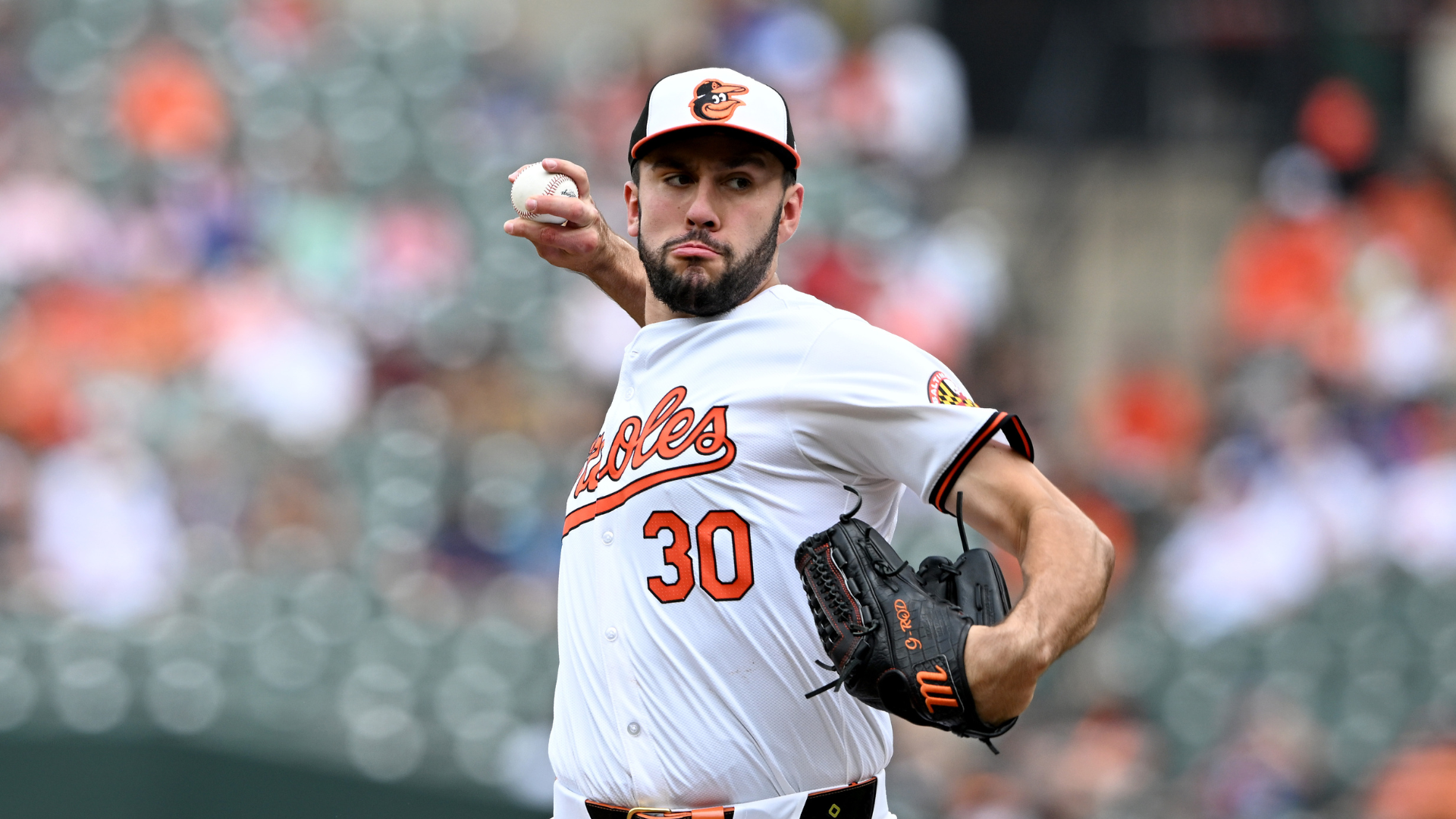
Fitting Into a Crowded Outfield
The roster fit is where things get interesting. Baltimore’s outfield already features Colton Cowser, Tyler O’Neill, and Dylan Beavers, with top prospect Enrique Bradfield Jr. knocking on the door. Adding Ward gives the Orioles a right-handed bat with pop and experience, but it also creates a bit of a logjam.
That said, depth is never a bad thing – especially over a 162-game grind. Whether Ward becomes an everyday corner outfielder, slots into a DH role, or gives the Orioles flexibility in matchups, his presence gives manager Brandon Hyde more options. And with Ward under contract through the 2026 season, this isn’t just a short-term rental.
The Bigger Picture

This trade underscores a familiar theme in baseball: the balancing act between upside and reliability. Rodriguez has the tools to be a top-tier starter, but health remains a major question mark. Ward, meanwhile, offers a known commodity – a productive, durable bat who can contribute right away.
For the Orioles, who are eyeing a deeper playoff push, this move suggests a shift toward win-now mode. They’re willing to part with a talented young arm to get more proven production at the plate. And for the Angels, it’s a chance to take a shot on a high-upside pitcher who, if healthy, could become a key piece of their rotation moving forward.
Time will tell which side benefits more, but for now, it’s a bold move by both clubs – and one that could have ripple effects well into 2026.