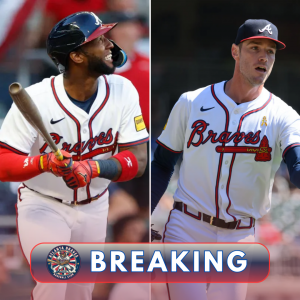
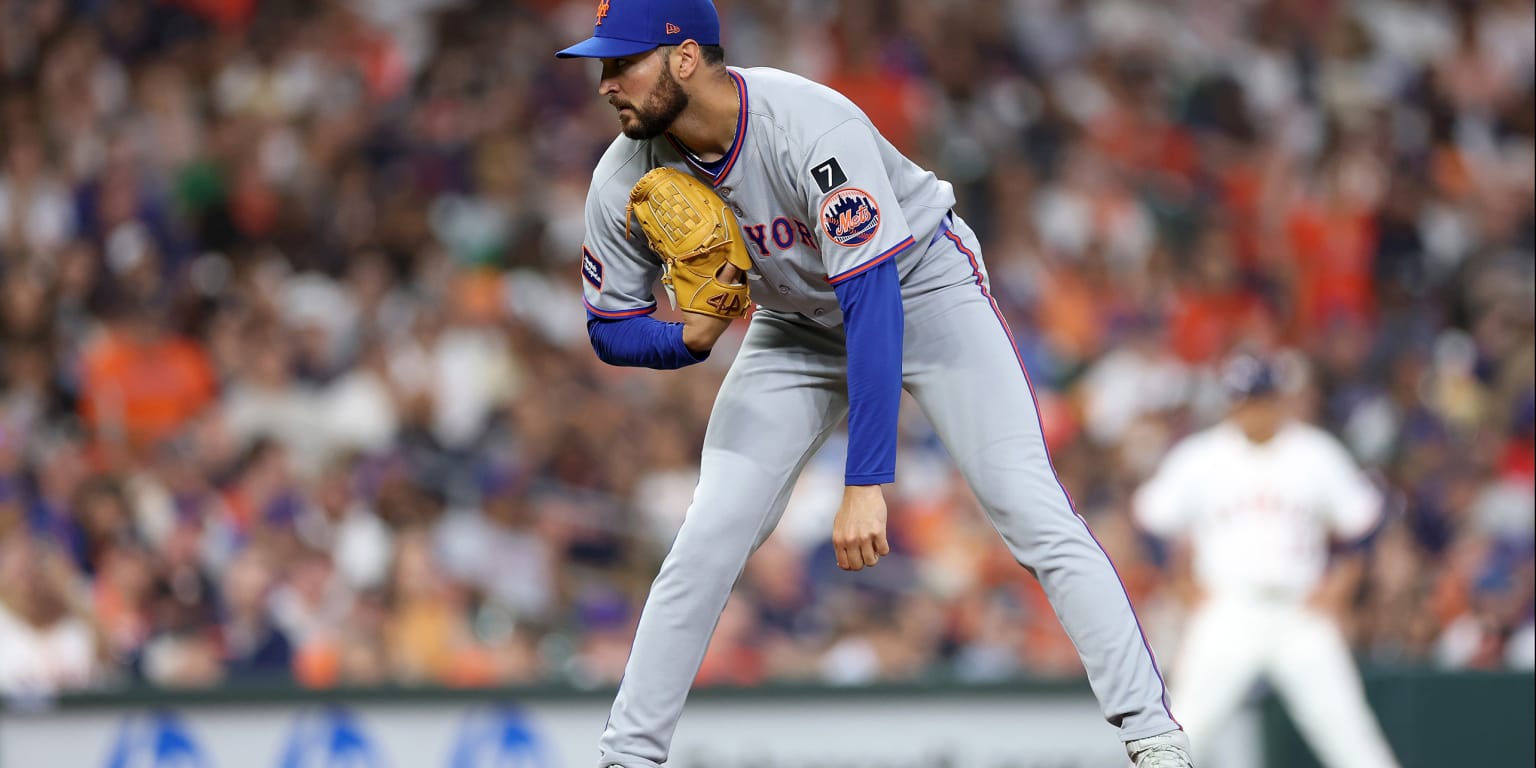
 Left-handed reliever Danny Young is staying within the NL East, as the Atlanta Braves have signed the former Mets pitcher to a one-year split contract. The move gives Atlanta additional bullpen depth while offering Young a chance to continue his comeback from injury in a familiar environment. The signing comes just weeks after the Mets non-tendered him late last month, making him a free agent as he continued recovering from Tommy John surgery.
According to Will Sammon of The Athletic, Young has already resumed throwing and is progressing well in his rehab program. Although he will begin the season on the injured list, the Braves expect him to return sometime during the first half of the 2025 campaign. For a team that values left-handed relief options—and one that has often relied on strong pitching depth during its runs atop the NL East—the addition of Young represents both a strategic investment and a low-risk, potentially high-reward signing.
Young’s 2024 season was cut short after appearing in only 10 games before suffering the elbow injury that eventually required surgery. It was a frustrating setback in a career that has featured flashes of promise but has also been marked by inconsistency. During his time with the Mets, Young posted a 4.50 ERA across 52 outings, offering stretches of effectiveness but struggling to maintain steady performance. Despite the mixed results, he showed enough potential to draw continued interest around the league, particularly with his ability to generate movement from a low arm slot and challenge left-handed hitters.
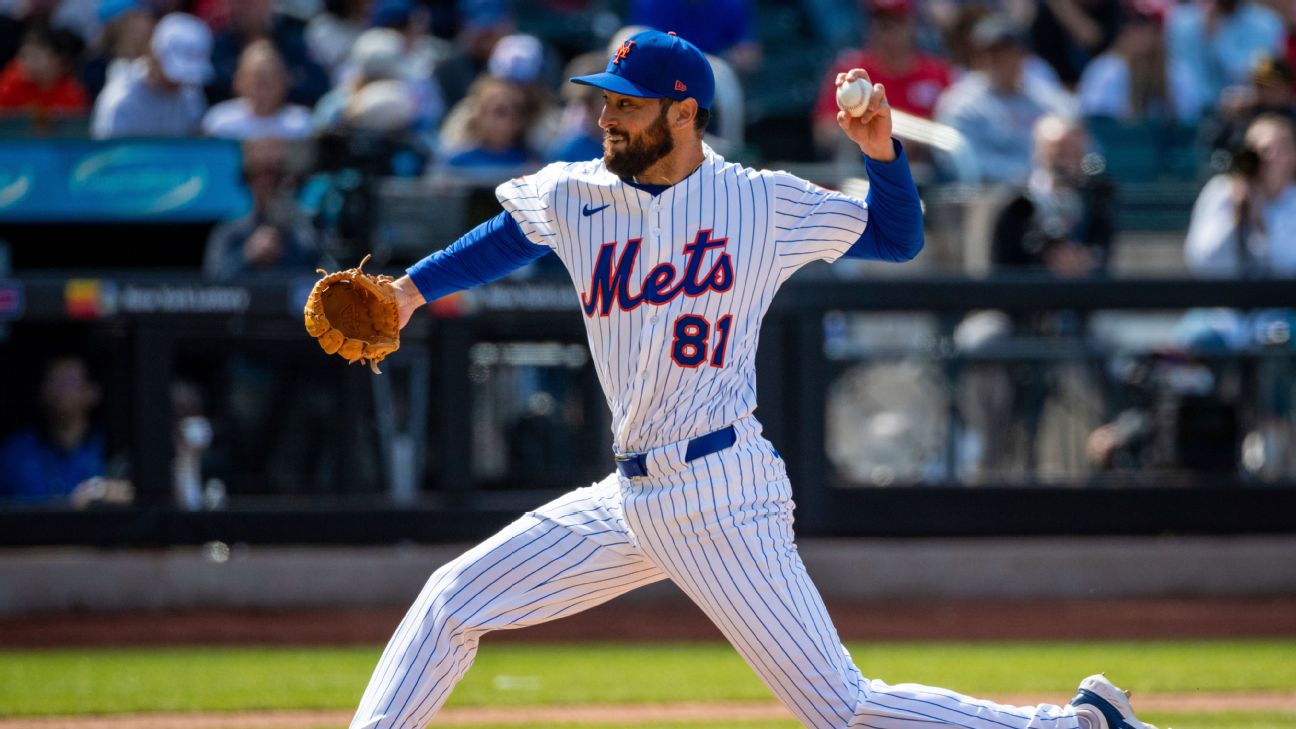 His arrival in Atlanta also marks a return of sorts. Young spent part of the 2023 season with the Braves, where he made several appearances and gained familiarity with the organization’s pitching development system. Atlanta has often excelled at maximizing the strengths of pitchers—both veterans and developmental projects—and Young’s prior experience with the team may aid his transition as he works his way back to full health.
One notable aspect of the move is Young’s reunion with Jeremy Hefner, the former Mets pitching coach who recently joined the Braves’ staff. Hefner worked closely with Young during his time in New York, guiding his pitch sequencing and mechanical adjustments. Their established relationship could prove beneficial as Young continues his rehab and prepares to re-enter Major League action. Trust and familiarity between a pitcher and coach can be invaluable—especially after a major surgery such as Tommy John, which demands both physical precision and mental recovery.
While Young’s overall MLB numbers may not immediately stand out, his strengths are clear. He has shown the ability to induce ground balls, limit hard contact, and disrupt timing with his deceptive delivery. Before his injury, he demonstrated potential as a matchup lefty capable of retiring tough left-handed hitters—a skillset that remains essential even as bullpen roles evolve. The Braves, who have consistently sought reliable southpaw options in recent years, likely view Young as an arm who can fit into middle-relief or depth roles once he’s fully recovered.
For Atlanta, the signing is reflective of the organization’s broader offseason strategy: maintaining competitive depth without overspending. A split contract allows the club flexibility while giving Young a runway to work toward a Major League return. If he performs well during his rehab assignments and early-season work, he could carve out a meaningful bullpen role by summer.
 For Young, the deal represents opportunity. Coming off major surgery can be an uncertain road, but his early progress signals optimism. Being part of a team with postseason aspirations—and one that is familiar with his abilities—creates a favorable environment for his comeback. Additionally, the chance to reconnect with Hefner may help stabilize his transition and allow him to build on the development work begun during his time in Queens.
The Mets’ decision to non-tender Young was not surprising given his injury status and inconsistent results, but it opened the door for him to land with a division rival eager to bolster its bullpen depth. For New York, his departure reflects a shifting bullpen landscape as the club seeks new arms and retools for the upcoming season. For the Braves, however, it is another example of their ability to identify undervalued talent and invest in arms with upside.
As the season approaches, the timeline for Young’s return will become clearer. If his rehab continues to progress smoothly, fans in Atlanta may see him back on a Major League mound sometime before the All-Star break. His performance during that stretch will determine whether he can secure a longer-term role with the club—or potentially revitalize his career after a challenging chapter with the Mets.
Regardless of how quickly he returns, the signing underscores both the Braves’ strategic roster-building approach and Young’s determination to overcome adversity. With a familiar coaching voice in his corner and a second chance in a competitive NL East environment, Danny Young now looks ahead to a new season and a fresh opportunity to prove he still belongs on a Major League mound.