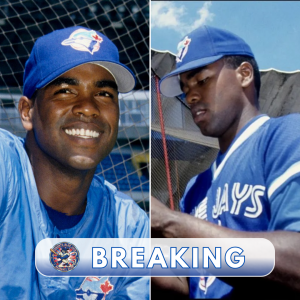
Should Former Toronto Blue Jay Carlos Delgado Be a Hall of Famer?
Every so often, baseball hands us a question that refuses to fade. It lingers in hallways, in conversations, in the pauses between innings. For Toronto fans, for old-school sluggers, for anyone who remembers the thunder of the late ’90s and early 2000s, one question still echoes louder than most:
Should Carlos Delgado be a Hall of Famer?
If you close your eyes, you can still see him standing in the batter’s box — that wide, patient stance, the quiet coil before the storm, the effortless violence of a swing that could send baseballs screaming into the upper deck like they’d been lit on fire. Delgado didn’t just hit home runs. He delivered statements. And in Toronto, a city that didn’t always get its fair share of baseball’s spotlight, he became something more than a star. He became an anchor.
The Hall of Fame argument begins, of course, with numbers. They sit there like silent witnesses: 473 home runs, 1,512 RBIs, a .929 career OPS, eleven seasons of 30-plus homers, three seasons of 40-plus, and that unforgettable four-homer game — one of the rarest feats in baseball. Statistically, Delgado’s résumé stands up straighter than most. It doesn’t apologize. It doesn’t need polishing. It simply asks to be seen.
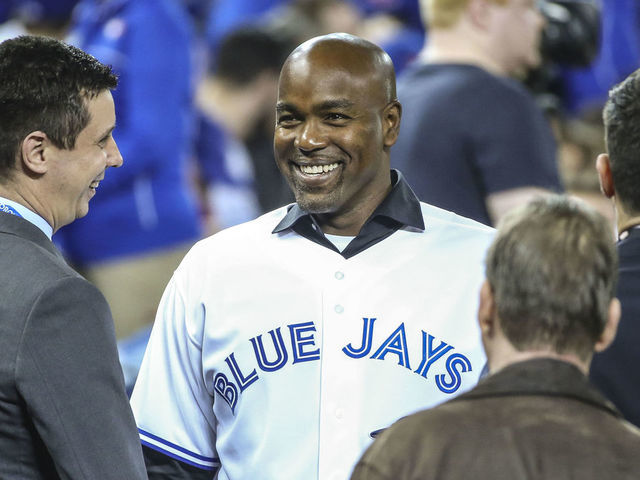
But a Hall of Fame case, if it’s going to be honest, can’t rely on numbers alone. Baseball isn’t just math; it’s memory. It’s who you were when the lights were brightest. It’s what you meant to the people who watched you.
And that’s where Carlos Delgado’s story deepens.
Delgado played the majority of his prime before the age of social media hype, before highlight clips fed the world in real time. In many ways, he was overshadowed by markets bigger and louder than Toronto. If he had played in New York or Boston or Los Angeles, the debate might have ended long ago. But instead, he carried a franchise that was rebuilding, reshaping, relearning its identity after its World Series glow faded.
He didn’t complain. He didn’t posture. He simply hit — every day, every season, with the consistency of a sunrise.
And he didn’t just hit baseballs. He hit expectations. He hit barriers. He hit the ceiling of what a first baseman could mean to a franchise that needed a face.

So why didn’t he sail into Cooperstown on the first ballot? Some voters pointed to defense, others to the fact that his teams rarely reached October, still others to crowded ballots full of names with larger narratives. But sometimes a player’s story needs distance — years of reflection that help the baseball world realize what it overlooked in real time.
Ask the pitchers who faced him how they feel about Delgado’s candidacy.
Ask the fans who grew up with him as their hero.
Ask the teammates who watched him lead quietly but steadily.
Baseball’s memory, when it finally settles, tends to tell the truth.
The truth is this: Carlos Delgado wasn’t just a good hitter. He was one of the most feared left-handed power bats of his era. He was a model of consistency. He was a stabilizing presence in a franchise that desperately needed one. And he was — and remains — a pillar of Blue Jays history.
Should that be enough for the Hall of Fame?
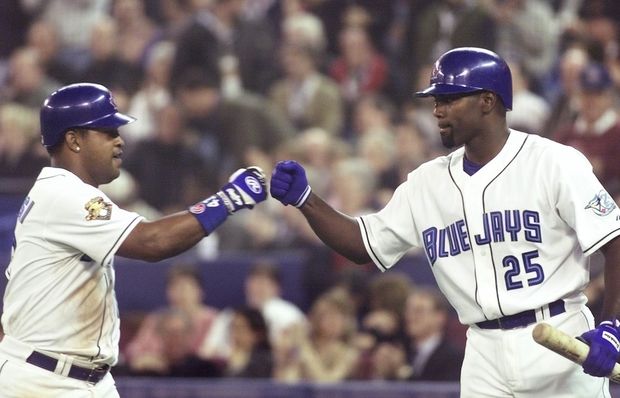
Maybe the better question is: how could it not be?
If Cooperstown is a museum of baseball’s greatest stories, then Delgado’s belongs there — a story of power, of loyalty, of a superstar who carried a city on his back without ever demanding that the world look his way.
The debate will continue, as all great baseball debates do.
But for many — especially in Toronto — the answer has been clear for years.
Yes.
Carlos Delgado should be a Hall of Famer.
And one day, perhaps, the voters will finally agree.