From Indiana’s perspective, landing the Bears would be transformative. A new stadium could act as a regional economic engine, generating jobs, tax revenue, and national visibility. Game days alone would bring tens of thousands of visitors, while ancillary development could reshape entire communities.
Indiana’s business-friendly reputation may also play a role. Lower taxes, streamlined regulatory processes, and a more cooperative political environment could make the state an attractive partner for a franchise seeking certainty and speed. For state and local leaders, the cost of public investment may be justified by the long-term economic return and prestige associated with hosting an iconic NFL team.
However, such a move would not come without controversy. Public funding for stadiums remains a contentious issue nationwide, and Indiana taxpayers would likely scrutinize any proposal involving significant state or local contributions. The Bears’ brand power could help overcome some resistance, but political hurdles would still exist.
What This Means for Chicago and Illinois
The possibility of losing the Bears—at least geographically—would be a significant blow to Chicago and Illinois. The Bears are more than just a football team; they are a cultural institution intertwined with the city’s identity. While the franchise name and branding would almost certainly remain “Chicago Bears,” a stadium in Indiana would symbolically represent a fracture in that relationship.
Illinois officials now face increased pressure to present a competitive proposal. Whether that means revisiting the Arlington Heights tax dispute, offering new incentives, or re-engaging on a downtown lakefront solution, the stakes have clearly risen. The Bears exploring Indiana is not just about finding land; it is about leverage in a negotiation that has stalled for years.
For Chicago, the loss of home games would also mean lost revenue. Hotels, restaurants, and businesses that benefit from Bears Sundays would feel the impact. Even if the stadium were only a short drive away, the economic ripple effects would be real.
Fan Reaction and Emotional Implications
For Bears fans, the idea of the team playing in Indiana is emotionally complicated. On one hand, fans are desperate for a modern stadium that enhances the game-day experience and helps the team remain competitive. On the other, the thought of crossing state lines challenges deeply held notions of what it means to be a Chicago team.
Some fans may view Northwest Indiana as a reasonable compromise, particularly if transportation infrastructure is improved. Others may see it as a betrayal, even if the move is driven by financial necessity. Fan sentiment will matter, especially for a franchise that prides itself on tradition and loyalty.
The Bears must balance business realities with emotional resonance. How the organization communicates its intentions and rationale will play a critical role in shaping public perception.
Logistics, Infrastructure, and Accessibility
Any Northwest Indiana proposal would hinge on infrastructure. Road access, public transportation, and parking capacity would need to be significantly upgraded to handle NFL-scale crowds. One of the persistent criticisms of Soldier Field has been accessibility, and the Bears will not want to replicate those challenges in a new location.
Potential sites would need to accommodate not only game-day traffic but year-round events. Modern NFL stadiums are expected to host concerts, conventions, and other large-scale gatherings. That requires coordination between state agencies, municipalities, and private developers.
If Indiana can demonstrate a clear, realistic plan for transportation and infrastructure improvements, it would strengthen its case considerably.
A Negotiation Tool or a Genuine Option?
A key question remains whether Northwest Indiana is a genuine long-term option or primarily a negotiation tactic. NFL franchises often explore multiple locations simultaneously to increase leverage and extract better terms from their preferred destination. By signaling openness to Indiana, the Bears may be attempting to reignite stalled talks in Illinois.
That said, the seriousness of the Bears’ stadium pursuit suggests that all viable options are likely being evaluated in good faith. The organization has invested years into this process and cannot afford endless delays. If Indiana presents a clearer, faster path to a new stadium, it could move from contingency plan to frontrunner.
The NFL’s Broader Stadium Landscape
The Bears’ situation reflects a broader trend across the NFL. Stadiums are no longer just places to play football; they are complex business ecosystems. Teams increasingly prioritize revenue streams, fan experience, and long-term flexibility over historical attachment to specific locations.
Recent stadium deals across the league have shown that franchises are willing to relocate within regions—or even across state lines—if it means securing better financial and operational conditions. The Bears considering Northwest Indiana places them squarely within this modern context, even if it feels jarring given the team’s history.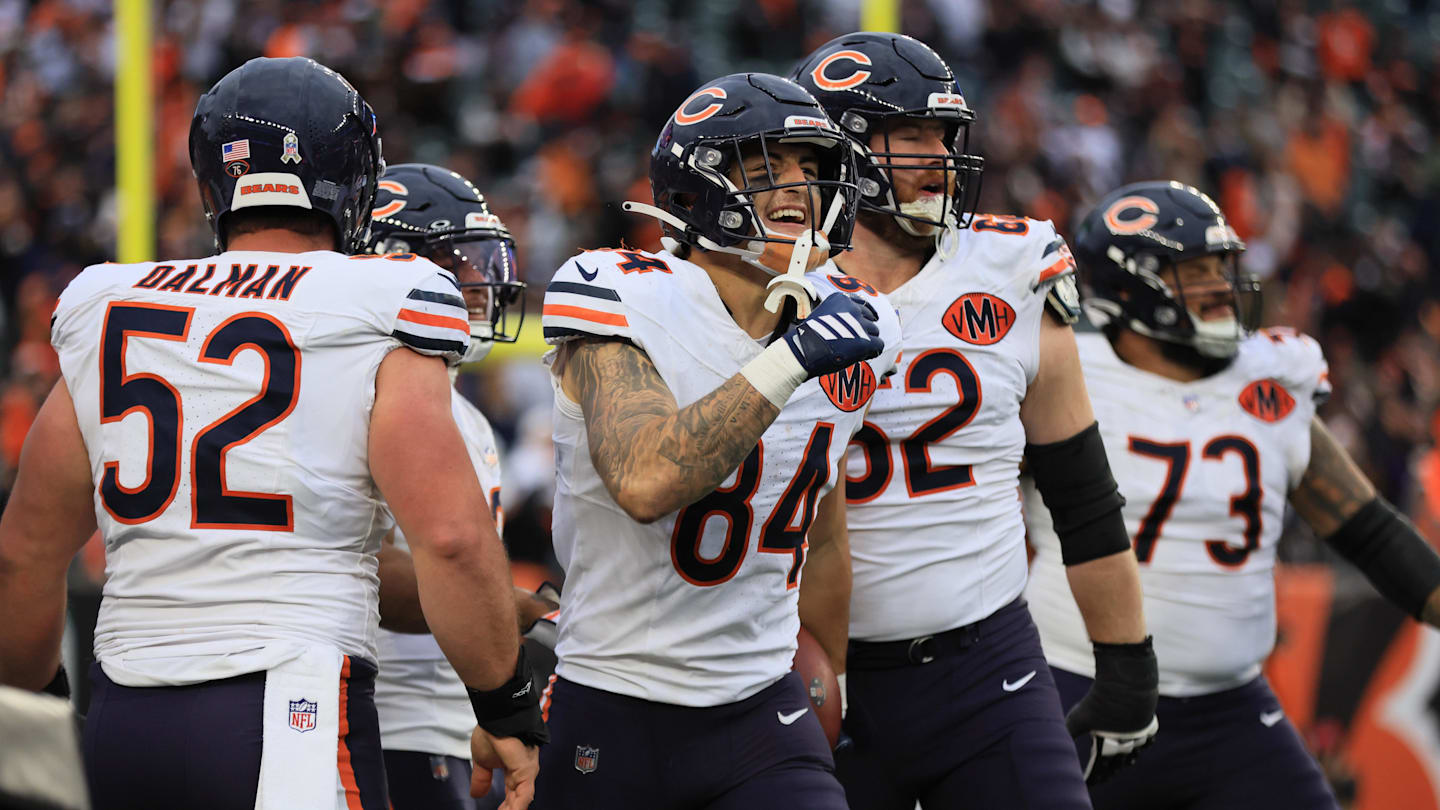
What Happens Next
In the near term, discussions are likely to remain exploratory. Feasibility studies, preliminary conversations with Indiana officials, and internal evaluations will shape the next phase. At the same time, Illinois and Chicago may respond with renewed urgency, recognizing that the Bears’ patience is not unlimited.
Public statements from the team will likely remain cautious, emphasizing that no decisions have been made. Behind the scenes, however, the pressure to resolve the stadium question is intensifying.
A Defining Moment for the Franchise
The Bears’ consideration of Northwest Indiana represents more than just another potential site. It is a signal that the franchise is prepared to make bold choices to secure its future. Whether that future ultimately remains in Illinois or crosses into Indiana will depend on economics, politics, and timing.