A Franchise at a Crossroads in Its Search for a New Home
The Chicago Bears’ long-running pursuit of a new stadium has taken another intriguing turn, with Northwest Indiana now emerging as a potential location under consideration. For a franchise deeply rooted in Chicago’s identity and NFL history, the possibility of crossing state lines represents a dramatic shift—one that underscores just how complex, political, and high-stakes the stadium process has become. While no final decisions have been made, the mere consideration of Northwest Indiana signals that the Bears are widening their scope and increasing leverage as they search for a long-term solution to replace Soldier Field.
This development is not just about real estate. It is about economics, regional influence, public funding, infrastructure, fan access, and the future identity of one of the NFL’s oldest franchises. As discussions evolve, the idea of the Bears playing home games in Indiana—while still branding themselves as Chicago’s team—raises fundamental questions about loyalty, logistics, and the modern realities of professional sports.
Why the Bears Are Looking Beyond Chicago
The Bears’ dissatisfaction with Soldier Field is well-documented. Despite renovations completed in 2003, the stadium remains one of the smallest venues in the NFL and is widely viewed as outdated in terms of premium seating, fan amenities, and revenue-generating opportunities. From a business perspective, Soldier Field limits the Bears’ ability to compete financially with franchises that operate modern, multipurpose stadiums.
Efforts to secure public funding or a favorable redevelopment agreement in Chicago have repeatedly stalled. Political resistance, cost overruns, and disagreements over control and financing have slowed progress to a crawl. The Bears’ previous focus on Arlington Heights, where they purchased the Arlington Park racetrack property, initially seemed like the clearest path forward. However, disputes over property taxes and infrastructure costs have complicated that plan, prompting the organization to explore alternative options.
Considering Northwest Indiana is, in many ways, a strategic escalation. It sends a clear message to Illinois lawmakers and Chicago officials that the Bears are willing to look elsewhere if negotiations do not align with their long-term vision.
Northwest Indiana Enters the Conversation
Northwest Indiana offers several appealing characteristics that make it a viable candidate for a new NFL stadium. The region sits within the broader Chicago metropolitan area, with relatively easy highway access and proximity to major population centers. For fans traveling from the south suburbs or even downtown Chicago, certain parts of Northwest Indiana could be as accessible—or more so—than other suburban options.
Indiana has also demonstrated a willingness to invest aggressively in sports infrastructure. The success of Lucas Oil Stadium in Indianapolis, which hosts the Colts as well as major national events, serves as a powerful example of how public-private partnerships can pay dividends for a state. Indiana officials may view the Bears as an opportunity to elevate Northwest Indiana’s economic profile while capturing tourism and development benefits.
Unlike Chicago, where land constraints and historical preservation issues complicate construction, parts of Northwest Indiana offer large tracts of developable land. This creates the possibility of a full entertainment district, including hotels, restaurants, retail, and mixed-use development—an increasingly common model for modern NFL stadiums.
The Economic Stakes for Indiana
From Indiana’s perspective, landing the Bears would be transformative. A new stadium could act as a regional economic engine, generating jobs, tax revenue, and national visibility. Game days alone would bring tens of thousands of visitors, while ancillary development could reshape entire communities.
Indiana’s business-friendly reputation may also play a role. Lower taxes, streamlined regulatory processes, and a more cooperative political environment could make the state an attractive partner for a franchise seeking certainty and speed. For state and local leaders, the cost of public investment may be justified by the long-term economic return and prestige associated with hosting an iconic NFL team.
However, such a move would not come without controversy. Public funding for stadiums remains a contentious issue nationwide, and Indiana taxpayers would likely scrutinize any proposal involving significant state or local contributions. The Bears’ brand power could help overcome some resistance, but political hurdles would still exist.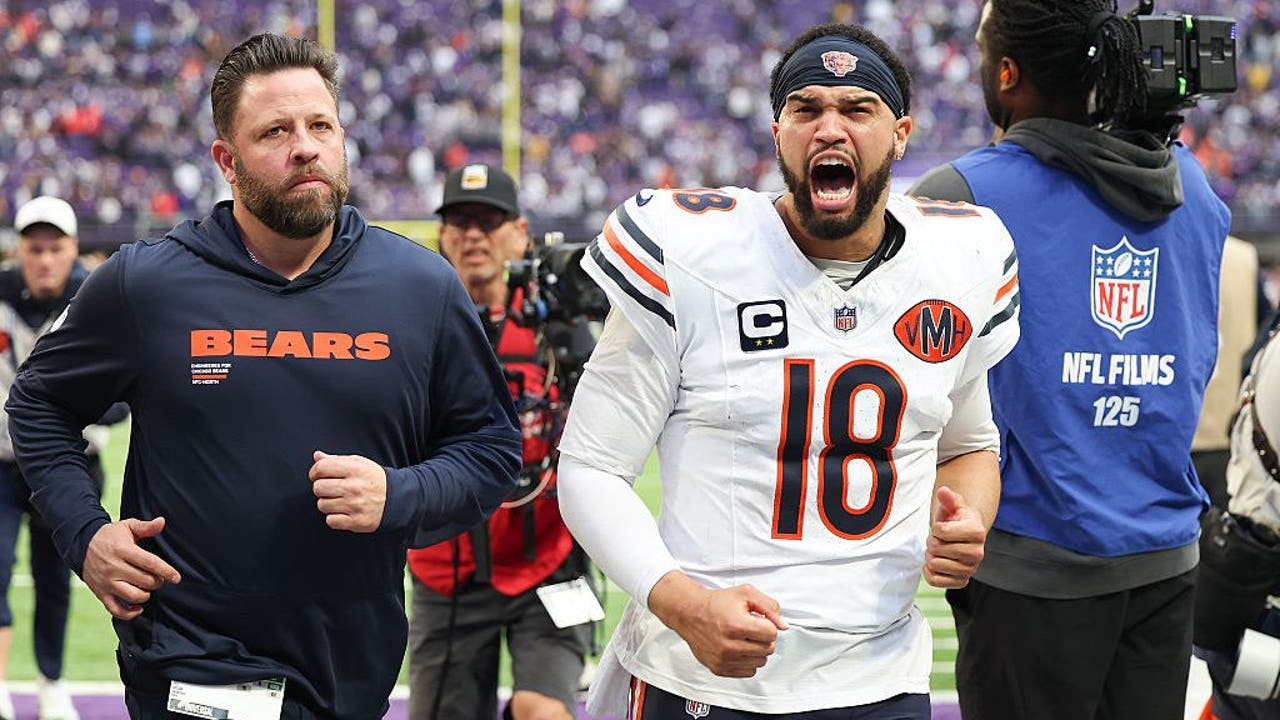
What This Means for Chicago and Illinois
The possibility of losing the Bears—at least geographically—would be a significant blow to Chicago and Illinois. The Bears are more than just a football team; they are a cultural institution intertwined with the city’s identity. While the franchise name and branding would almost certainly remain “Chicago Bears,” a stadium in Indiana would symbolically represent a fracture in that relationship.
Illinois officials now face increased pressure to present a competitive proposal. Whether that means revisiting the Arlington Heights tax dispute, offering new incentives, or re-engaging on a downtown lakefront solution, the stakes have clearly risen. The Bears exploring Indiana is not just about finding land; it is about leverage in a negotiation that has stalled for years.
For Chicago, the loss of home games would also mean lost revenue. Hotels, restaurants, and businesses that benefit from Bears Sundays would feel the impact. Even if the stadium were only a short drive away, the economic ripple effects would be real.