A Franchise Cornerstone Suddenly Surrounded by Uncertainty
Not long ago, the idea of A.J. Brown leaving the Philadelphia Eagles would have sounded absurd. He was the embodiment of everything the franchise wanted to be on offense: dominant, physical, relentless, and unapologetically confident. He helped redefine the Eagles’ passing attack, elevated Jalen Hurts into MVP conversations, and played a central role in a Super Bowl run that reestablished Philadelphia as a powerhouse in the NFC. Yet as the current season unfolds, a growing sense of unease surrounds Brown’s future with the team. Subtle comments, visible frustration, schematic questions, and the cold realities of NFL economics have combined to create a storyline that refuses to fade away. The question is no longer hypothetical. It is now fair to ask whether A.J. Brown’s tenure in Philadelphia could be nearing its end.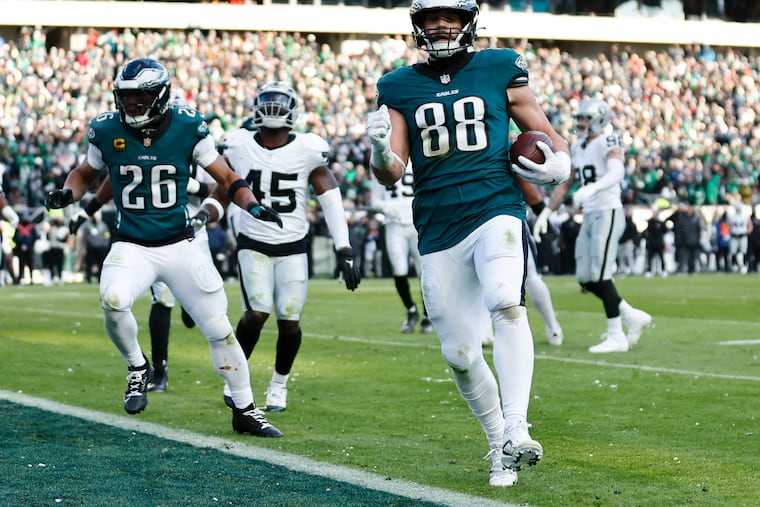
The Trade That Changed Everything for Philadelphia
When the Eagles acquired A.J. Brown from the Tennessee Titans in 2022, the move sent shockwaves across the league. Philadelphia not only landed a true No. 1 wide receiver in the prime of his career, but they did so by pairing the trade with a lucrative contract extension that signaled long-term commitment. The message was clear: Brown was not a rental. He was a foundational piece meant to grow alongside Jalen Hurts and anchor the offense for years to come.
The immediate results validated the aggressive move. Brown shattered franchise records, finishing his first season with over 1,400 receiving yards and becoming the emotional and competitive heartbeat of the offense. Defensive coordinators were forced to roll coverage his way, opening space for DeVonta Smith, Dallas Goedert, and the Eagles’ dominant run game. Brown’s presence changed the geometry of the field, and Philadelphia’s offense thrived as a result.
A.J. Brown’s Impact Goes Beyond Statistics
While the numbers tell an impressive story, they do not fully capture Brown’s value to the Eagles. He brought an edge that permeated the locker room and the huddle. Brown plays with a visible intensity that sets a tone for the entire offense. His willingness to block, fight for extra yards, and demand accountability resonated with teammates and fans alike.
In high-pressure moments, Brown consistently emerged as Hurts’ most trusted target. Third downs, red-zone situations, and late-game drives often flowed through him. His ability to win contested catches gave the Eagles a margin for error few teams possess. For an offense built on physical dominance, Brown was the perfect fit.
The Cracks Begin to Show
Despite that success, the NFL rarely allows complacency. As defenses adjusted and Philadelphia’s offensive identity evolved, subtle signs of tension began to surface. Brown’s body language on the sidelines occasionally told a story of frustration. Missed opportunities, conservative play-calling, and stretches where he appeared underutilized became talking points among analysts and fans.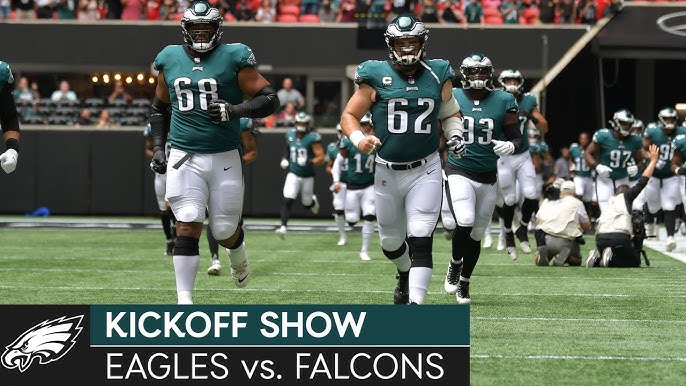
Brown has never been shy about expressing himself, and that honesty has sometimes fueled speculation. Comments about wanting to “win at the highest level” or emphasizing the importance of being used aggressively have been dissected relentlessly. While none of those remarks explicitly targeted the coaching staff or quarterback, they added fuel to a narrative that something might be amiss beneath the surface.
Scheme and Philosophy Questions
One of the central issues surrounding Brown’s future revolves around offensive philosophy. The Eagles have increasingly leaned into a balanced, sometimes run-heavy approach that prioritizes ball control and efficiency. While this style has produced wins, it has also resulted in games where Brown’s involvement feels limited relative to his talent.
Elite wide receivers often measure success not just in wins, but in opportunity. Brown thrives on rhythm and volume. When targets fluctuate or game plans shift away from aggressive downfield passing, frustration can build. This is not unique to Philadelphia; it is a recurring theme across the league when star receivers feel their impact is being minimized.
The Jalen Hurts Factor
Any discussion about A.J. Brown’s future must include Jalen Hurts. Their connection has been one of the defining storylines of the Eagles’ resurgence. Hurts has repeatedly credited Brown with helping him grow as a passer and leader. The trust between them is evident on the field, particularly in high-leverage situations.
However, as Hurts continues to evolve, so does the offense. Defensive schemes have increasingly focused on limiting explosive plays, forcing Hurts to distribute the ball quickly and lean on check-downs and the run game. This evolution, while logical, can sometimes clash with a receiver like Brown who thrives on physical dominance and downfield opportunities.
Contract Realities Loom Large
Beyond on-field considerations, the business side of football looms over Brown’s future. The Eagles are a franchise known for disciplined cap management and difficult decisions. Brown’s contract places him among the highest-paid receivers in the league, a reflection of his talent and impact. But as new contracts continue to reset the market, his deal will only grow more significant relative to the team’s overall cap structure.
Philadelphia must also account for extensions for other core players, including Jalen Hurts, DeVonta Smith, and key defensive contributors. The NFL is a zero-sum financial game. Every dollar allocated to one star limits flexibility elsewhere. At some point, front offices are forced to decide whether maintaining an expensive core is sustainable.
History Suggests No One Is Untouchable:max_bytes(150000):strip_icc():focal(694x134:696x136)/super-bowl-parade-philadelphia-eagles-super-bowl-lix-021025-3f670b7e6758476bba1f14656bad53ac.jpg)
The Eagles’ organizational philosophy provides important context. Under general manager Howie Roseman, the franchise has demonstrated a willingness to make bold, sometimes unpopular moves in the name of long-term health. From moving on from Carson Wentz to reshaping the roster after Super Bowl runs, Philadelphia has consistently prioritized future flexibility over emotional attachment.
That history does not mean Brown is actively being shopped, but it does mean he is not immune to evaluation. If the front office believes it can extract significant value in a trade while reallocating resources more efficiently, the possibility becomes real.
The NFL-Wide Demand for Elite Receivers
If the Eagles were ever to explore trade options, Brown would instantly become one of the most coveted players on the market. True No. 1 receivers in their prime are rare commodities. Teams with young quarterbacks, cap space, and playoff aspirations would line up with offers.
Such interest cuts both ways. On one hand, it underscores Brown’s value and importance to Philadelphia. On the other, it presents temptation. Multiple high draft picks or a combination of picks and players could accelerate a retooling process, particularly if the Eagles believe they can replace production through scheme and depth rather than a single star.
Chemistry and Leadership Considerations
Another layer to this discussion involves locker room dynamics. Brown is a leader, but he is also demanding. His intensity can elevate a team, but it can also create friction if expectations are not aligned. Coaches must balance empowering star players with maintaining overall cohesion.
So far, there is no public evidence of serious internal conflict. Teammates consistently praise Brown’s work ethic and competitiveness. Still, the NFL has shown repeatedly that relationships can change quickly when results fluctuate or visions diverge.