Rangers Sign Alexis Díaz and Tyler Alexander to One-Year Deals, Bolster Bullpen for 2026
Not every move that shapes a season comes with fireworks. Some arrive quietly, wrapped in practicality rather than spectacle, but carry just as much weight when the games start to matter. That’s how the Texas Rangers’ decision to sign Alexis Díaz and Tyler Alexander to one-year deals feels — not loud, not flashy, but deeply intentional.
For a team already carrying the memory of October success and the scars that come with trying to sustain it, this wasn’t about chasing headlines. It was about answering a question the Rangers know all too well: How do you survive the long grind between April hope and September pressure?
The answer, more often than not, lives in the bullpen.

Alexis Díaz brings electricity. There’s a certain edge to the way he pitches — fast, aggressive, unapologetic. When he steps on the mound, he doesn’t ask for the moment to slow down; he dares it to speed up. For Texas, that matters. They’ve learned that late innings are where seasons tilt, where confidence either hardens or cracks. Díaz gives them someone who thrives in those moments, someone who doesn’t flinch when the noise grows louder.
But what makes his signing feel right isn’t just the velocity or the strikeouts. It’s the presence. Díaz carries himself like someone who understands pressure and respects it without fearing it. That kind of mentality doesn’t show up on stat sheets, but it spreads quickly in a bullpen. Younger arms watch. Veterans nod. The room feels steadier.
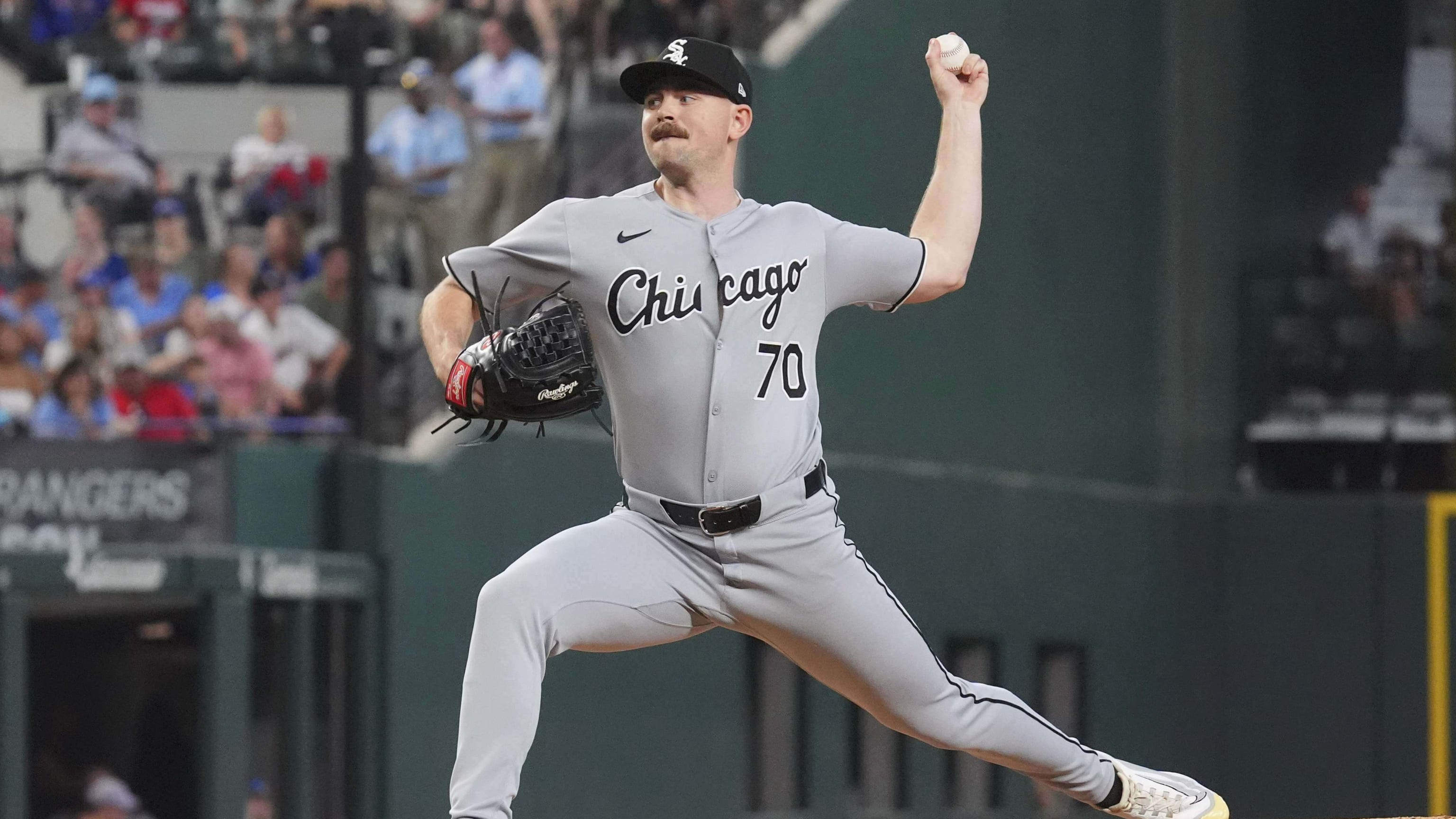
Tyler Alexander, on the other hand, brings something different — and equally valuable. He brings adaptability. He’s lived in the space between roles, starting when needed, relieving when asked, absorbing innings that save others for another day. Alexander isn’t here to dominate headlines. He’s here to solve problems before they become crises.
Every team needs players like that. The ones who don’t demand a spotlight but end up standing in it when things go sideways. Over a full season, those innings matter. They protect rotations. They give managers options. They keep bad nights from becoming losing streaks.
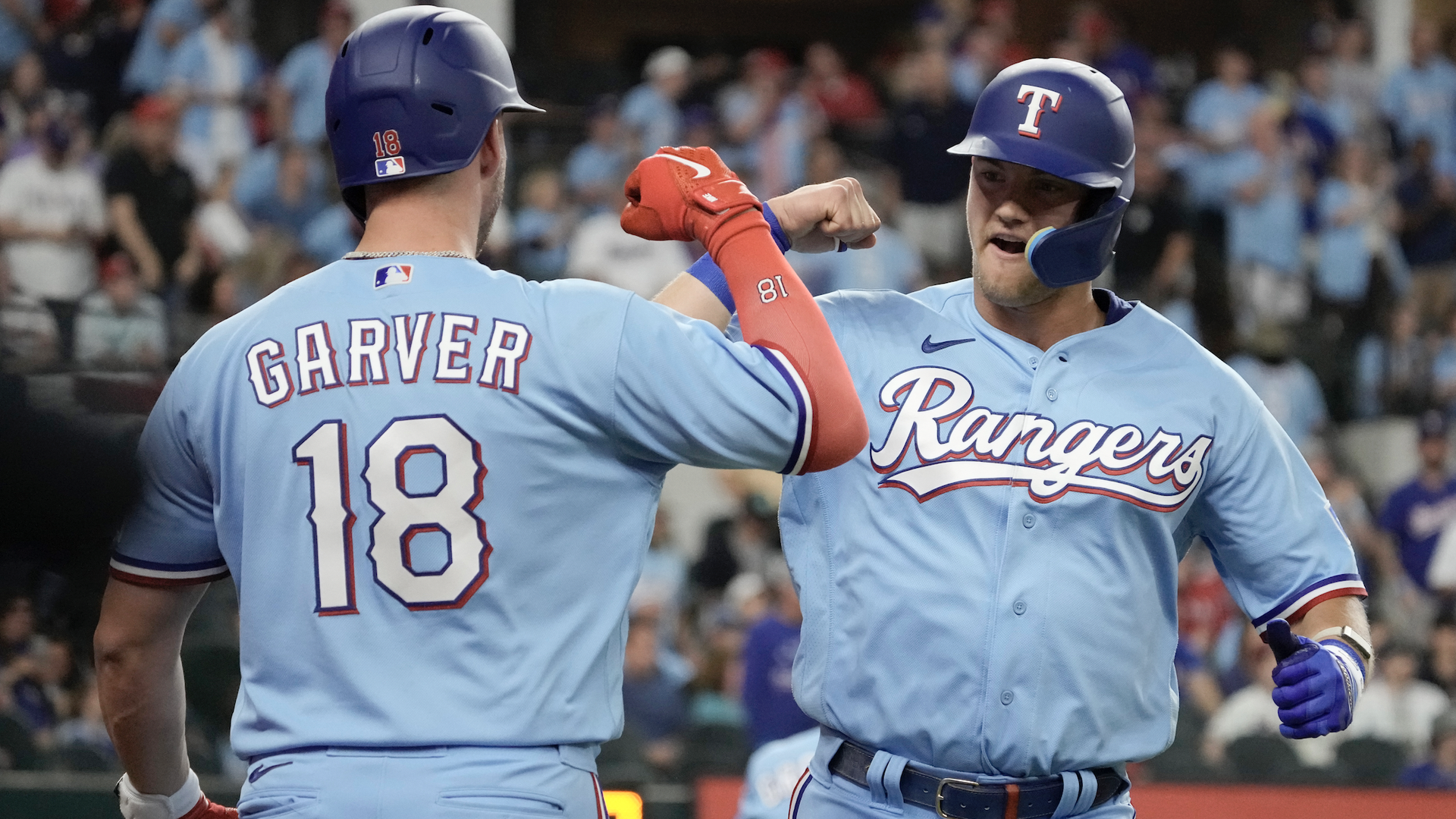
Together, Díaz and Alexander represent balance — fire and calm, power and patience. That balance is exactly what the Rangers lacked at times when games slipped late, when leads felt fragile, when the bullpen became a question mark instead of an answer.
What’s especially telling is the timing. These are one-year deals, aimed squarely at 2026. That speaks to a front office that understands flexibility. They aren’t locking themselves into long-term commitments out of fear. They’re building bridges — short, sturdy ones — designed to carry the team forward while keeping future options open.
Inside the clubhouse, moves like this change the mood. Pitchers know when help arrives. Starters feel less pressure to be perfect. Relievers feel competition — the healthy kind — that sharpens focus. And managers gain something invaluable: trust. Trust that when the phone rings in the seventh or eighth inning, there’s someone ready to answer.
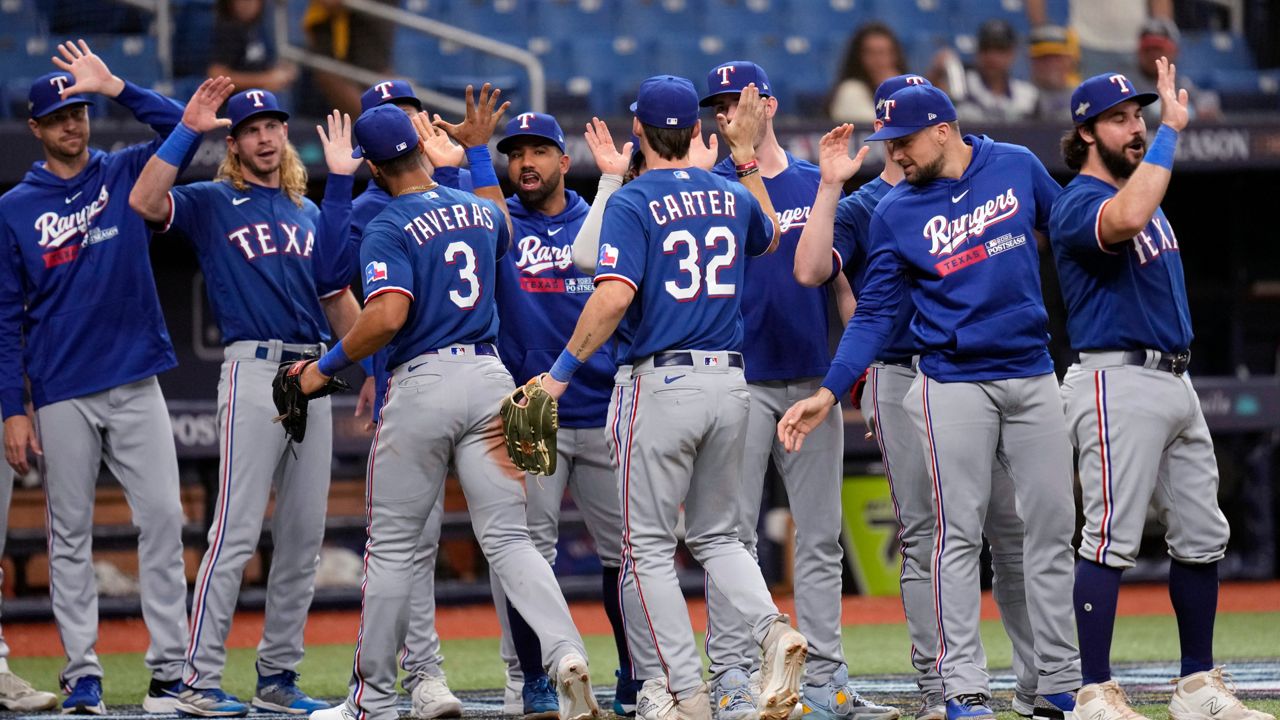
Fans may not rush to buy jerseys with these names on the back, but they’ll feel the impact in subtler ways. In games that don’t spiral. In series that don’t slip away. In nights when the bullpen door opens and the outcome feels a little more certain.
And that’s the truth of bullpen building. It’s not glamorous. It’s not poetic. But it’s honest work — and it wins games.
For Díaz, this is a chance to reassert himself, to prove he belongs in high-leverage moments. For Alexander, it’s another opportunity to do what he’s always done best: show up, adapt, and deliver when needed. For the Rangers, it’s a reminder that success isn’t sustained by standing still.
As 2026 comes into focus, these signings may not dominate conversations, but they’ll shape outcomes. They’ll matter on tired summer nights, in tight divisional races, in moments when one pitch changes everything.
And when those moments arrive, the Rangers will be glad they chose preparation over spectacle — and trusted that sometimes, the smartest moves are the ones that simply make sense.