What Went Wrong With the 2025 Braves — And How to Fix Them for 2026
There was a moment, early in the 2025 season, when it still felt like everything was fine. The Braves looked familiar — powerful lineup, confident rotation, that unmistakable October swagger that had carried them through so many battles before. But slowly, quietly, almost imperceptibly, something shifted. The cracks didn’t show all at once. They whispered at first. A bullpen meltdown here. A sputtering offense there. A stretch of baseball that didn’t feel like Braves baseball. And by the time the summer heat settled in, Atlanta realized something it hadn’t faced in years:
The magic was slipping.
Fans weren’t angry at first. They were confused. This was a team built to contend. A team crafted with stars and depth and swagger. A team that had been the standard everyone else chased. But losses began piling up in ways that didn’t make sense. Games that should have been won turned into heartbreaks. Players who once looked untouchable suddenly looked human.

Some say the offense never fully synced. Others swear the pitching staff felt a half-step behind from Opening Day. But the truth is rarely so clean. What went wrong for the 2025 Braves wasn’t a single failure — it was the slow accumulation of small ones. A lineup reliant on too few bats. A rotation searching for an anchor. A bullpen stretched thin by innings it wasn’t built to carry. Injuries that came at the worst moments. Pressure that pressed too hard on the shoulders of players who had carried the weight for too long.
And hovering over everything was expectation — heavy, relentless expectation. When you’ve won before, every stumble feels like a collapse. Every slump feels like betrayal. Every flaw becomes magnified beneath the bright lights of a fanbase that loves fiercely and expects boldly.
But seasons like this don’t end in bitterness. They end in clarity. And the clarity for Atlanta is this: 2026 cannot be a bandage year. It must be a rebuilding of identity.
Not a teardown.
Not a surrender.
A recalibration.
So how do the Braves fix themselves?
Not with noise. Not with desperation. With intention.

The first step is acknowledging that the lineup needs balance again. Too many innings were played from behind, too many rallies depended on the same two or three bats, and too many games were decided by the lack of that one extra hit. Atlanta doesn’t need to reinvent its identity — it just needs to deepen it. Add a bat who lengthens the order. Add versatility. Add pressure on opposing pitchers instead of absorbing it.
The second step is rebuilding the pitching staff, brick by brick. The Braves don’t need flashy names; they need dependable ones. Arms that throw meaningful innings. A rotation that doesn’t rely on hope. A bullpen that can breathe instead of burning out by August. The talent is there — young arms waiting, veterans recovering — but talent without structure collapses.
And then comes the hardest part: rediscovering the hunger. The edge. The thing that made Braves baseball feel bigger than a roster, bigger than statistics. The 2025 season humbled them, but hidden inside that humility is opportunity. Teams fall. Great teams rise again.
2026 can be the rising.
Because despite everything, the Braves are not broken. They’re bruised. They’re shaken. They’re aware now of weaknesses they once ignored. And sometimes awareness is the greatest gift a disappointing season can offer.
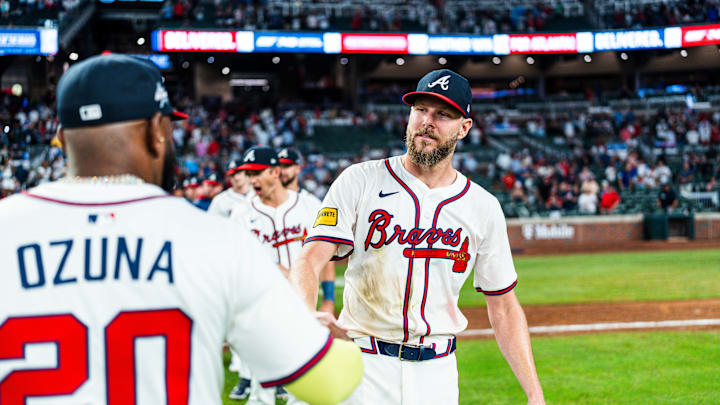
Picture it: a crisp April evening next year. The lights bright. The seats full. The roster rebuilt with purpose. A team stepping onto the field not weighed down by the past, but sharpened by it.
The 2025 Braves will be remembered for what slipped away.
The 2026 Braves have the chance to be remembered for what they reclaimed.
And that is a story Atlanta still has time to write.