What complicates matters is Denver’s inability to string together multiple high-efficiency drives. Their offense can produce explosive plays, but the connective tissue — the short-to-intermediate precision — is missing too often. In rivalry games, that precision matters. Controlling tempo matters. Avoiding long stretches without points matters.
Denver also faces internal inconsistency at the quarterback position. Whether through turnovers, missed reads, or timing issues, the offense has not consistently supported its own play designs. In games where the Broncos fall behind early, the offense collapses into predictable structures that defenses easily counter. This matchup amplifies that risk. The Raiders thrive when opponents become one-dimensional. If Denver does not maintain balance early, they will find themselves fighting from behind against a defensive front built to attack desperation.
Another concern lies in red-zone execution. Denver has struggled to convert promising drives into touchdowns. Rivalry games often come down to which team turns field-goal opportunities into touchdowns. Denver has not proven that reliability yet.
The Broncos have talent. They have structural potential. But they also have flaws that mirror the worst possible matchups against the Raiders. Until their offense finds consistent rhythm, they remain vulnerable to physical, aggressive defensive teams — and that defines Las Vegas.
3. The Raiders’ Defensive Edge: Maxx Crosby and a Front Built to Disturb
What makes the Raiders so uniquely challenging for Denver does not begin with scheme — it begins with Maxx Crosby. His impact is not limited to sacks or pressures. He manipulates offensive structure. He forces offensive coordinators to adjust route timing, slide protections, and abandon deeper play concepts altogether. Crosby affects more plays than almost any defender in the AFC. His ability to impact a game with effort, technique, and versatility is the foundation of the Raiders’ game plan.
Crosby is a problem that must be solved on every snap. The Broncos have not consistently shown they can handle such defenders. And even when they slow him down, the Raiders have built a more complete front around him. Players rotate in with fresh legs. The interior linemen hold leverage with improved discipline. The linebackers scrape with efficiency. This defensive front is not elite, but it is cohesive — and cohesion is sometimes more dangerous than star power.
The Raiders’ defensive identity is built on forcing chaos in early downs. They thrive when opponents face second-and-long or third-and-long. They disguise pressure before dropping into disciplined zones. They use Crosby as the centerpiece of their disruption, then funnel quarterbacks into hurried decisions. Denver has struggled against such fronts all season. And this matchup leans directly into Denver’s offensive weaknesses.
The Raiders also excel in situational defense. When opponents reach the red zone, their discipline tightens. They force offenses into narrow throwing windows. They compress space effectively. They challenge quarterbacks to make precise throws under pressure — a challenge the Broncos have not consistently answered.
This defensive edge gives the Raiders a meaningful advantage. In a game where matchups matter more than records, the Raiders’ defensive front could determine the entire flow of the contest.
4. Quarterback Play: Pressure, Decision-Making, and the Battle to Avoid the Costly Mistake
Quarterback play is often the single biggest deciding factor in NFL outcomes, and in rivalry games, this truth becomes magnified. Both teams in this matchup face a similar challenge: which quarterback will protect the football, maintain composure under pressure, and deliver in critical moments?
Denver’s quarterback situation has been inconsistent. At times, the offense flows through rhythm throws and defined reads. At other times, turnovers or stalled progressions break drives apart. The Raiders’ defense thrives on opportunistic pressure, and this matchup exposes Denver’s vulnerabilities. Quarterbacks tend to hesitate when Crosby collapses the pocket. That hesitation leads to sacks, fumbles, or interceptions forced into disguised coverages.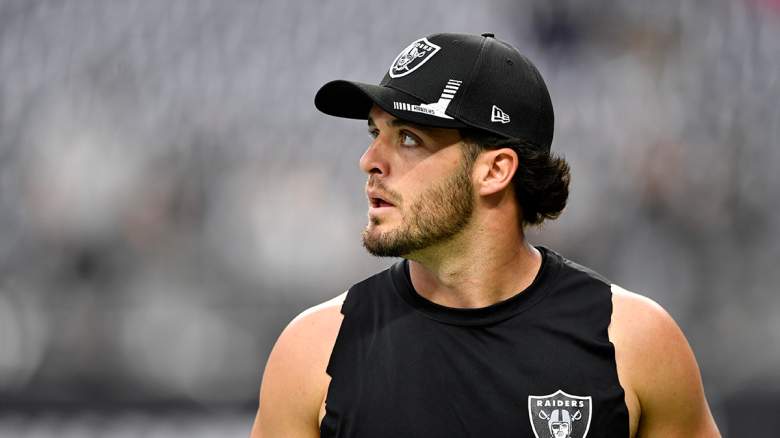
The Raiders’ quarterback play, by contrast, has leaned on structure and simplicity. They are not asking for spectacular plays; they are asking for controlled, efficient execution. The Raiders prioritize eliminating negative plays. They build game plans that protect their quarterback. They emphasize ball security and allow the run game to establish tempo.
In rivalry games, the quarterback who avoids the catastrophic mistake usually emerges victorious. Denver has not consistently demonstrated that discipline. The Raiders have — and their defensive structure supports it.
This matchup will likely hinge on a handful of throws: a third-down conversion under pressure, a shot play into tight coverage, a red-zone opportunity where anticipation is required. The quarterback who wins those moments wins the game.
5. Offensive Balance: The Raiders Have It — The Broncos Need It
The Raiders offense does not rely on overwhelming explosiveness. It relies on balance. Their run game forces defenses to commit resources to the box. Their passing game builds off that commitment. Their receivers create space when defenses hesitate. Their running backs punish cautious fronts.
This balance is exactly what the Broncos have failed to consistently achieve.
Denver’s run game is streaky. When it works, it settles the offense and opens up play-action concepts. When it fails, Denver’s passing game becomes predictable and vulnerable. The Raiders’ defensive front is built to eliminate predictable offenses.
The Raiders’ run game, while not dominant, is reliable enough to structure drives. Their backfield rotation provides versatility. They do not need explosive runs; they need control — four yards at a time, play after play. This keeps the defense honest. It keeps Crosby fresh. It reduces turnover risk. It creates third-and-manageable situations.
If the Raiders run the ball effectively, they will dictate this matchup. If the Broncos cannot, they will struggle to maintain rhythm.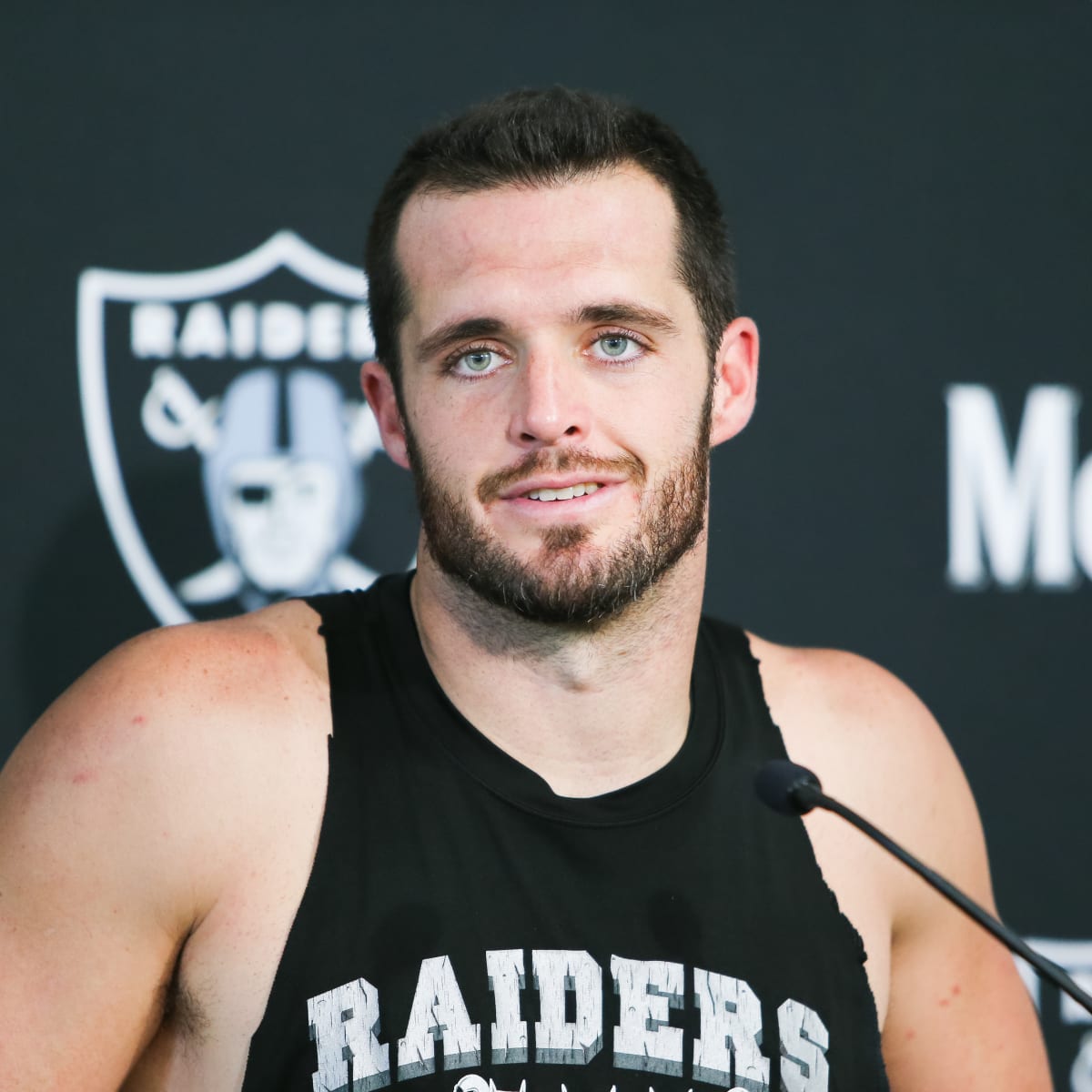
This difference in balance is one of the key distinctions between the teams and one of the main reasons the prediction leans in one direction.
6. Coaching and In-Game Adjustments: Where the Raiders Hold the Practical Edge
Coaching matters more in rivalry games because these matchups create uncomfortable situations. Plans crumble. Momentum shifts. Emotional swings happen. Teams need stability and adaptability.
The Raiders have displayed greater in-game fluidity. They adjust defensive packages quickly. They manipulate protection looks based on opponents’ tendencies. They anticipate offensive adjustments and counter them seamlessly. Their iteration between first-half strategy and second-half adjustments has been one of their most underrated strengths.