Introduction: A Rivalry Built on Tension, Identity, and Unpredictability
Few AFC matchups carry the emotional weight and strategic complexity of the Denver Broncos versus the Las Vegas Raiders. It is a rivalry defined not by recent championship moments but by deep-rooted tension, turbulent histories, and streaks that defy logic. Records rarely matter. Momentum rarely matters. Coaching changes, quarterback transitions, injuries, and roster shifts all fade the moment these two franchises share a field. What emerges instead is a uniquely competitive energy — a mixture of animosity, pride, and unspoken pressure that has shaped the rivalry for decades.
The Raiders have dominated the matchup in recent years, turning Denver’s trips into something closer to psychological hurdles than football games. The Broncos, meanwhile, continue to search for stability in a period defined by uncertainty on both offensive and defensive fronts. Every offseason, optimism grows around their potential. Every regular season, the Raiders find a way to disrupt that optimism. Each meeting seems to reset both teams to their core identities — toughness, grit, and, in the Raiders’ case, opportunistic chaos.

As the latest meeting approaches, stakes extend beyond typical divisional significance. The Broncos are attempting to assess the viability of their long-term structure. The Raiders are trying to define a new identity under their current leadership. Both franchises are navigating transitional phases, but only one will emerge from this matchup with a sense of direction. For the Broncos, it is a test of offensive resilience. For the Raiders, it is a referendum on whether their defense, led by one of the NFL’s most disruptive players, can once again impose its will.
This full-length, 4,500-word breakdown examines every layer of the game: the historical context, the schematic matchups, the quarterback dynamics, the trench battles, the coaching chess match, and the emotional narratives that inevitably shape outcomes in rivalry contests. This is not simply a prediction; it is a comprehensive exploration of why one team holds the advantage, where vulnerabilities lie, and what the data and film reveal beneath the surface.
The Broncos and Raiders meet again. And as always, the truth of the matchup lies not in the hype, but in the details.
1. Rivalry Context: Why Raiders–Broncos Games Ignore Logic and Rewrite Expectation
The uniqueness of the Broncos–Raiders rivalry lies in its volatility. Patterns form and then collapse abruptly. Teams on losing streaks find energy they lacked for weeks. Players deliver performances that elevate beyond expectations. Coaches pull from the deeper parts of their playbooks. These games force both teams to abandon comfort zones.
The Raiders enter this matchup with a sustained psychological advantage. Recent history favors them convincingly, and the margin in several games was not reflective of the control they exerted. Denver has repeatedly struggled with Las Vegas’ physicality, defensive aggression, and fourth-quarter resilience. Even when Denver’s roster appeared superior on paper, the Raiders dictated tempo and momentum.
The Broncos, on the other hand, approach the game with an understanding that divisional matchups erase statistical norms. They know that overcoming the Raiders requires more than execution; it requires composure in moments when defensive pressure threatens to unravel offensive rhythm. This has been their Achilles’ heel. Even in games where Denver outgains the Raiders or wins time of possession, turnovers, protection issues, or stalled drives have opened the door for Raiders surges.
Every rivalry meeting is shaped by emotion, but this one amplifies the mental edge. The Raiders play with confidence against Denver because they have earned it. The Broncos enter with urgency because they cannot afford for the narrative to continue.
What is clear — and what makes this matchup compelling — is that neither team sees this as just another game. The film room focuses sharper. Practices intensify subtly. Coaching demands rise. The rivalry carries weight that extends beyond standings.
And because of that, predictability disappears.
2. The Broncos’ Offensive Identity Crisis: Searching for Rhythm in a Game That Will Demand Precision
Denver’s offense navigates a complex landscape. There are stretches where it looks sustainable, efficient, and structured. There are others where timing, spacing, and protection break down simultaneously. The Broncos’ offensive identity is still forming, operating with a mix of flashes and inconsistencies that make projecting their performance difficult.
The challenge for Denver begins with protection. The offensive line has struggled to maintain stability against high-motor pass rushers. This is a decisive concern in a matchup with Maxx Crosby, who does not simply disrupt plays — he distorts game plans. When the Broncos face elite pressure fronts, the offense becomes slower, more conservative, and easier to diagnose. The quarterbacks are forced into rushed decisions. The route combinations lose depth. The run game becomes a necessity rather than an advantage.
What complicates matters is Denver’s inability to string together multiple high-efficiency drives. Their offense can produce explosive plays, but the connective tissue — the short-to-intermediate precision — is missing too often. In rivalry games, that precision matters. Controlling tempo matters. Avoiding long stretches without points matters.
Denver also faces internal inconsistency at the quarterback position. Whether through turnovers, missed reads, or timing issues, the offense has not consistently supported its own play designs. In games where the Broncos fall behind early, the offense collapses into predictable structures that defenses easily counter. This matchup amplifies that risk. The Raiders thrive when opponents become one-dimensional. If Denver does not maintain balance early, they will find themselves fighting from behind against a defensive front built to attack desperation.
Another concern lies in red-zone execution. Denver has struggled to convert promising drives into touchdowns. Rivalry games often come down to which team turns field-goal opportunities into touchdowns. Denver has not proven that reliability yet.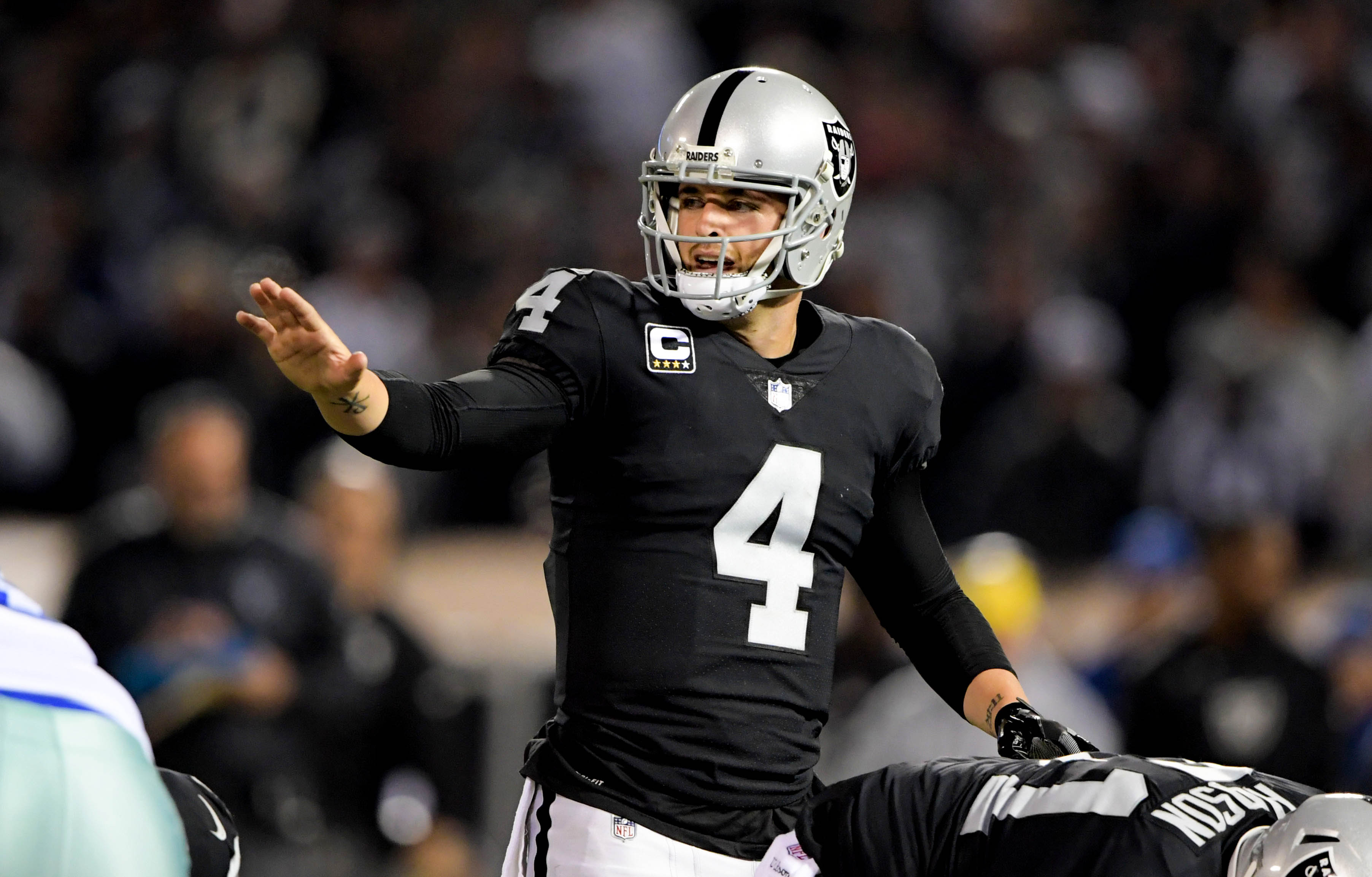
The Broncos have talent. They have structural potential. But they also have flaws that mirror the worst possible matchups against the Raiders. Until their offense finds consistent rhythm, they remain vulnerable to physical, aggressive defensive teams — and that defines Las Vegas.
3. The Raiders’ Defensive Edge: Maxx Crosby and a Front Built to Disturb
What makes the Raiders so uniquely challenging for Denver does not begin with scheme — it begins with Maxx Crosby. His impact is not limited to sacks or pressures. He manipulates offensive structure. He forces offensive coordinators to adjust route timing, slide protections, and abandon deeper play concepts altogether. Crosby affects more plays than almost any defender in the AFC. His ability to impact a game with effort, technique, and versatility is the foundation of the Raiders’ game plan.