clear: effort, focus, and film discipline matter as much as touchdowns.
Sources inside the team described a reflective mood after the decision. Some veterans nodded in quiet agreement — “Sometimes the message has to be loud,” one said. Younger players, meanwhile, took it as a reminder that development in Green Bay isn’t just about talent — it’s about trust.
Jordan Love, asked afterward about the decision, stayed diplomatic. “We all have each other’s backs,” he said. “It’s part of this league — next guy up, stay ready, stay accountable.”
Still, those close to the quarterback say he was frustrated — not by the benching itself, but by the instability it represented. Building chemistry with receivers takes time, and every lineup shuffle resets the rhythm. For a young quarterback still mastering timing routes and trust reads, that disruption carries weight.
The Fans: Anger, Loyalty, and Speculation
No franchise in the NFL has fans quite like Green Bay’s. In a town where the stadium literally towers over neighborhoods, where shareholders double as lifelong loyalists, every decision feels personal.
By halftime, social media was ablaze. “What happened?” “Is this discipline?” “Is he being traded?” Theories ranged from attitude issues to locker room conflict to simple underperformance.
Inside fan forums and talk radio, the debate grew fiery. Some defended LaFleur’s hard line — “He’s setting the tone,” one caller said. Others feared the team was alienating young talent.
“He’s a kid,” another fan argued. “You gotta coach him up, not bench him out.”
Inside the I-94 corridor, you could feel the emotional divide that defines Packers Nation — a blend of old-school expectations and new-age empathy.
A Franchise in Transition
Since the departure of Aaron Rodgers, Green Bay has been in quiet evolution — rebuilding without tearing down. Jordan Love’s rise is at the heart of it, but the supporting cast has been equally important.
The 2023 and 2024 drafts brought in a wave of dynamic receivers: Jayden Reed, Dontayvion Wicks, Malik Heath — each carving a role, each fighting for reps. That competition, while healthy, has also created friction.
LaFleur’s challenge has been maintaining balance — giving young players freedom to make mistakes while still demanding precision. The Week 11 benching may have been inevitable — not as punishment, but as a reminder that freedom without focus can derail progress.
This was Green Bay’s message to its future: growth isn’t guaranteed. It’s earned.
The Game Without Him
Without their benched receiver, the Packers leaned on a mix of Reed, Watson, and Luke Musgrave in the passing game. The offense looked leaner — sharper in moments, hesitant in others.
Love distributed the ball with caution early, then aggression late, finishing with modest numbers but visible command. The Packers won narrowly, but the postgame wasn’t about the scoreboard — it was about the statement.
Reporters noted LaFleur’s quiet satisfaction afterward. “I thought we responded well as a team,” he said. “That’s what matters most.”
Still, everyone knew the story wasn’t over. Every question in the postgame presser circled back to the same mystery: would the benched receiver return next week?
What ‘Coach’s Decision’ Really Means
In NFL language, “Coach’s Decision” is the gray area between public diplomacy and private discipline. It often signals one of three things:
-
Effort concerns — not giving full commitment in practice or film.
-
Accountability issues — missed assignments or failure to execute.
-
Culture tone-setting — a tactical message to reinforce standards.
League sources told Heavy Sports it was “a bit of all three.” The player had shown flashes of frustration in recent weeks, occasionally clashing with position coaches over play design and targets. Nothing toxic — just tension.
For a young locker room, LaFleur chose to intervene before frustration turned into fracture. In a league where chemistry defines contenders, maintaining culture sometimes demands hard choices.
Media Storm and Public Perception
By Monday morning, national outlets picked up the story. “Packers WR Benched — Coach’s Decision” ran across ESPN tickers, Bleacher Report headlines, and podcasts dissecting what it said about the team’s direction.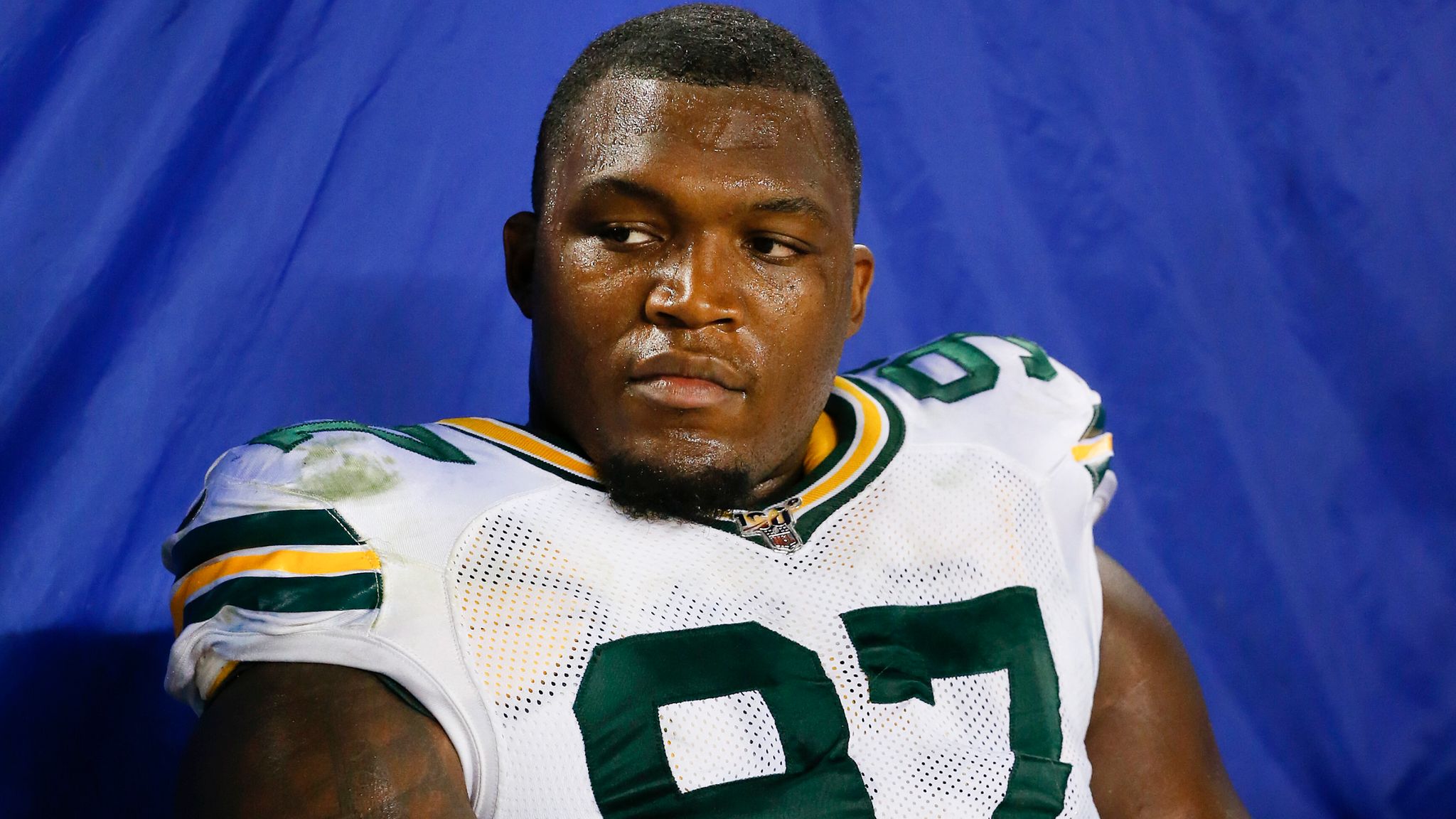
Heavy Sports’ own coverage went deep — tracing the decision through practice patterns, sideline body language, and leadership dynamics. Analysts debated whether this was a short-term spark or a long-term statement.
Former players weighed in. Ex-Packer James Jones called it “a wake-up call, not a death sentence.”
NFL Network’s Kyle Brandt added, “In Green Bay, they don’t bench talent lightly. This is about identity.”
In 24 hours, a single phrase — “Coach’s Decision” — had become a mirror reflecting the entire Packers project: rebuilding culture while teaching a young team how to win the hard way.
The Human Side of the Story
Behind every headline, there’s a person — and this player’s journey has been one of both promise and pressure. Drafted with high expectations, he entered the league as a symbol of the post-Rodgers era — fast, explosive, destined for stardom.
But potential is a fragile thing. A few dropped passes, a few missed reads, and suddenly the spotlight turns harsh. Confidence can erode quickly under the weight of comparison — especially in Green Bay, where the ghosts of past stars still linger in the rafters.
Teammates describe him as introspective, even self-critical. “He’s harder on himself than anyone else,” one coach said. “This isn’t about attitude. It’s about growth.”
After the game, he left the locker room quietly, no media stop, no quotes. But those who saw him said he shook hands with teammates and coaches — a small act that spoke volumes about character.
Sometimes, the bench isn’t punishment. It’s pause.