Pete Carroll has no one to blame for another big Las Vegas Raiders defeat, a loss that once again underscored the widening gap between the franchise’s expectations and its on-field reality. Carroll, brought in for his leadership experience and steadying presence, now finds himself in the uncomfortable position of being both the architect and the occupant of the structure collapsing beneath him. This latest defeat didn’t come from a lack of talent, a bad break, or an unforeseeable moment of bad luck. It came from the same systemic issues that have followed the Raiders week after week, issues Carroll has acknowledged but has not yet solved. The frustration within the organization is growing because these problems are no longer surprises. They are patterns.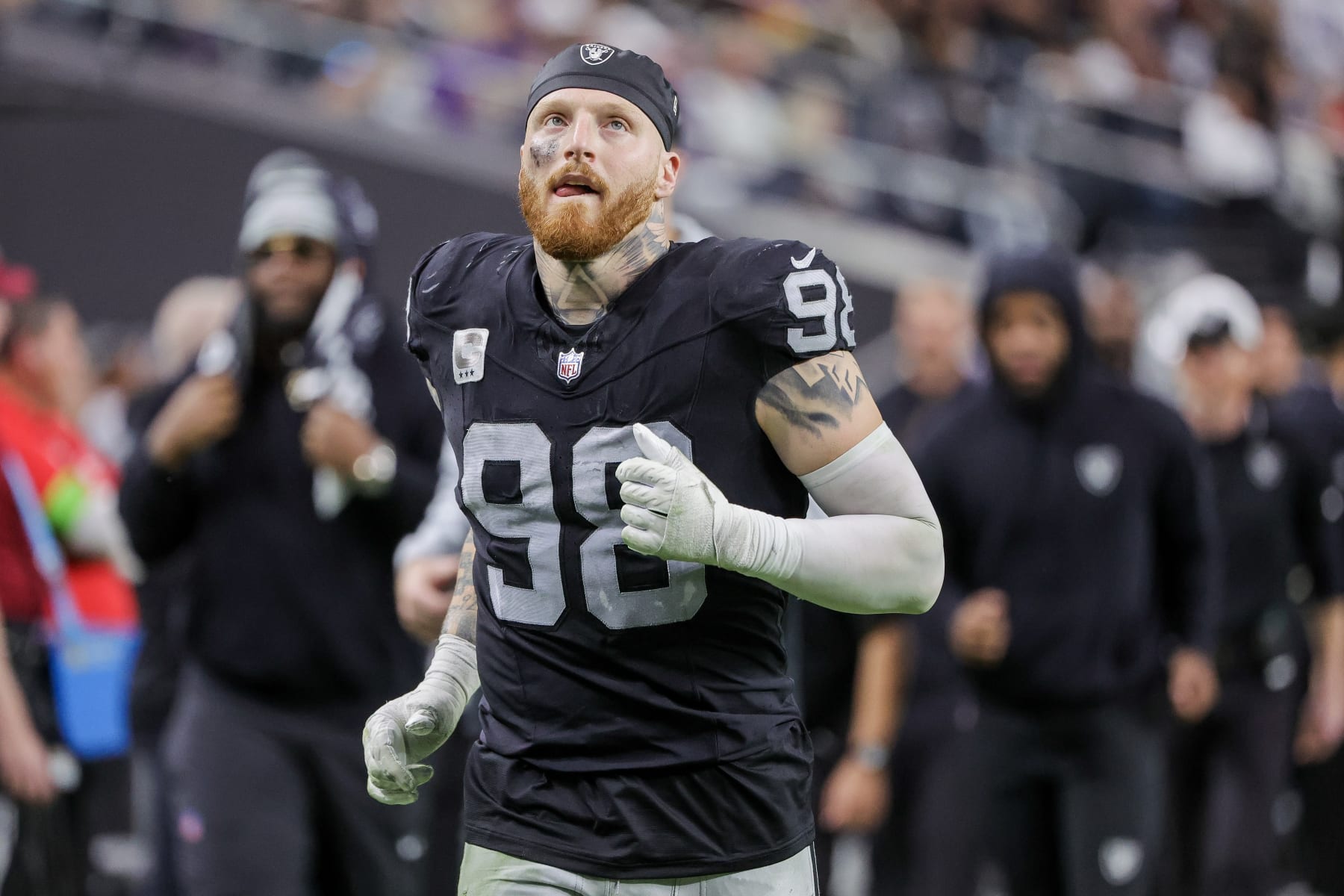
The most troubling aspect of the Raiders’ loss was how familiar it looked. Once again, the team opened the game with the appearance of discipline and direction, only to drift into the kind of disjointed, reactive football that has defined their struggles. Penalties mounted at critical moments. Drives stalled because of miscommunication on the offensive line. Defensive breakdowns reappeared on long third-down situations. Situational football, a supposed hallmark of Carroll teams, was anything but reliable. For a coach hired for his ability to instill structure, the lack of it was glaring. This is not a young team learning on the fly. This is a roster built with veteran presence, and that makes the errors even more frustrating.
Carroll’s coaching résumé is anchored in discipline, effort, and defensive coherence, yet the Raiders have shown none of those traits consistently under his leadership. The defense, which he expected to mold into a fast, physical unit, remains unpredictable and prone to mental lapses. They struggle to get off the field, often allowing big plays in moments where only fundamental execution is needed. That breakdown reflects not only on players but on preparation. When the same types of mistakes surface repeatedly, the responsibility shifts upward. Coaches can preach accountability, but it means nothing if the structure beneath it is unstable.
Offensively, the Raiders have been equally puzzling. Their play selection has swung between conservative caution and desperate improvisation, rarely finding rhythm. Drives have the feel of a team searching for identity rather than executing one. The quarterback play has been uneven, in part because of protection issues and in part because of predictable route combinations that opposing defenses jump with ease. There is no sense of offensive evolution, no evidence that the staff is adjusting in real time. Carroll may not call plays, but he oversees the entire operation, and the unit reflects a lack of cohesive leadership.
Even more concerning is the Raiders’ lack of emotional resilience. Under Carroll’s most successful teams, adversity sparked urgency and connection. With this group, it creates panic. Momentum swings hit them harder than most teams. A single bad drive can unravel a quarter. A turnover can cripple an entire half. This inability to stabilize themselves in high-pressure situations is one of the most damning reflections on coaching, because emotional structure is built Monday through Saturday, not on Sundays. If a team can’t control its response to adversity, it means habits and standards were not reinforced properly.
The fan base, already conditioned by years of inconsistency, is losing patience. Las Vegas embraced Carroll’s hire hoping for instant credibility and a cultural reset. Instead, they are watching the same movie with a different director. The frustration is not rooted in a lack of talent — the Raiders have electric playmakers on both sides of the ball — but in the lack of direction. Coaches are expected to elevate rosters, not merely manage them. The Raiders under Carroll have shown flashes of competence but no sustained growth, and the NFL does not reward flashes.
Carroll himself has been candid in postgame comments, acknowledging the issues but stopping short of accepting full responsibility. That measured detachment no longer resonates when the problems are recurring. This is not a team lacking effort. It is a team lacking answers. And answers must come from leadership. Blaming execution rings hollow when the execution mistakes repeat themselves every week. Blaming communication is ineffective when the communication breakdowns look identical each Sunday. Eventually, the person responsible for setting the tone must look inward.
The Raiders’ situation is not beyond repair. They have talent, experienced personnel, and moments of promise. But until Carroll moves beyond diagnosing the problems and begins correcting them, Las Vegas will continue to lose games it is capable of winning. That is the reality of the NFL: teams reflect their coaches. And right now, the Raiders reflect a coach who has not adjusted quickly enough to the challenges in front of him.
This defeat will sting not because it was unexpected, but because it was preventable. Carroll has the résumé, the experience, and the credibility to fix this. But he also has the responsibility to accept that the failures now belong to him. In a league where accountability is everything, Pete Carroll has run out of places to point. The blame, for now, rests solely on his shoulders.