If the White Sox are looking for a steady veteran presence to help stabilize a young, rebuilding roster, they might not have to look far. In fact, they may want to turn to a familiar face – or at least one that’s been a thorn in their side for over a decade.
Carlos Santana is back on the free agent market, and while he’s coming off a down year at the plate – just 11 home runs and a career-high 26% strikeout rate – there’s still a lot to like about what he brings to the table. He’s the kind of player whose value goes beyond the box score.
At 39, he’s logged over 9,000 plate appearances, hit 335 home runs, driven in more than 1,100 runs, and drawn walks at a 14% clip across 16 seasons. That kind of plate discipline doesn’t just disappear overnight.
And while the power numbers dipped last season, his swing still profiles well at Guaranteed Rate Field. That park has a history of rewarding left-handed hitters with pop, and Santana’s patient approach could help lengthen a lineup that struggled to find consistency in 2025.
But this wouldn’t just be about adding a bat. Defensively, Santana remains a legitimate asset.
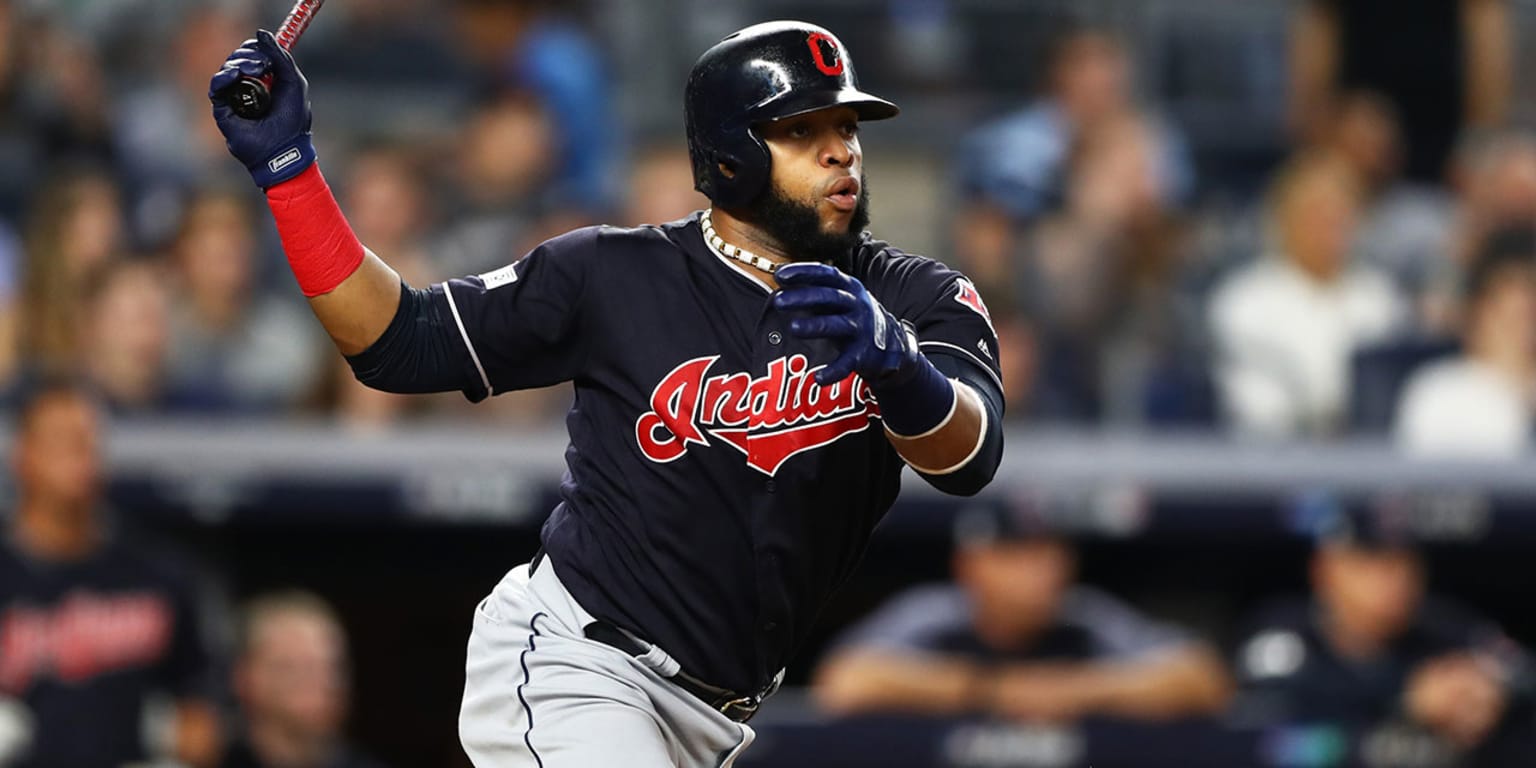 The White Sox used a revolving door at first base last season, with Miguel Vargas and Lenyn Sosa combining to cover the position in nearly two-thirds of the team’s games. Vargas held his own in limited action, but Sosa’s glove was a liability.
Santana, on the other hand, continues to flash the leather. He’s just one year removed from a Gold Glove and posted 8 Outs Above Average last season – a number that placed him in the top five percent of all MLB fielders.
For a team that ranked near the bottom in defensive metrics at several positions, that kind of upgrade matters.
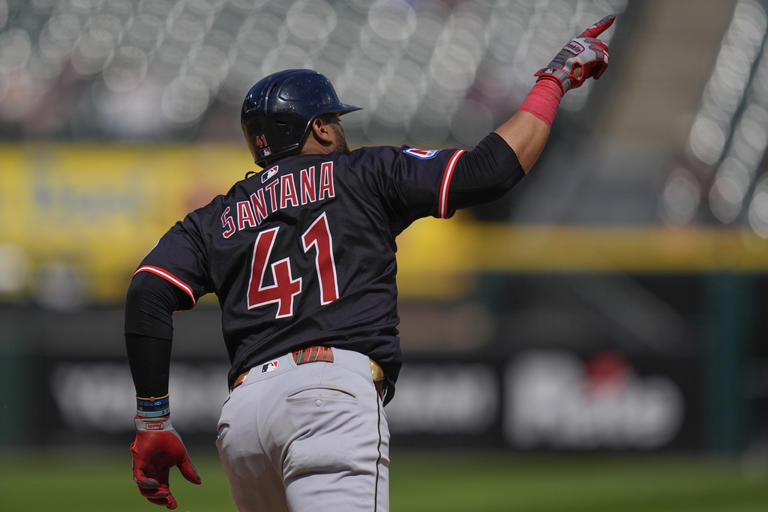
He knows the division, knows the ballparks, and knows what it takes to grind through a long season. For a White Sox clubhouse that’s expected to skew young again in 2026, that kind of voice could be invaluable.
No one’s expecting Santana to turn back the clock and reprise his All-Star or Silver Slugger days. But as a short-term solution – someone who can mentor younger players, provide solid defense, and still contribute offensively in spurts – he checks a lot of boxes. And given his age and recent production, he’s likely to come at a reasonable price.
For a team in transition, that’s the kind of low-risk, high-character signing that can make a difference – both on the field and in the clubhouse.